

India’s millennial generation—those born between 1981 and 1996—are in their prime working years. They’re ambitious, digitally connected, and career-driven. But beneath the surface of this high-achieving generation lies a growing health crisis that most are ignoring until it’s too late: musculoskeletal pain.
At BSI Physiotherapy in Bangalore, we’re seeing a dramatic rise in young patients in their 20s and 30s walking in with neck pain, back pain, knee problems, and joint stiffness. The pattern is clear, concerning—and entirely preventable. Here’s why Indian millennials are uniquely vulnerable.
The Scale of the Problem: Musculoskeletal Pain Is No Longer “Old Age”
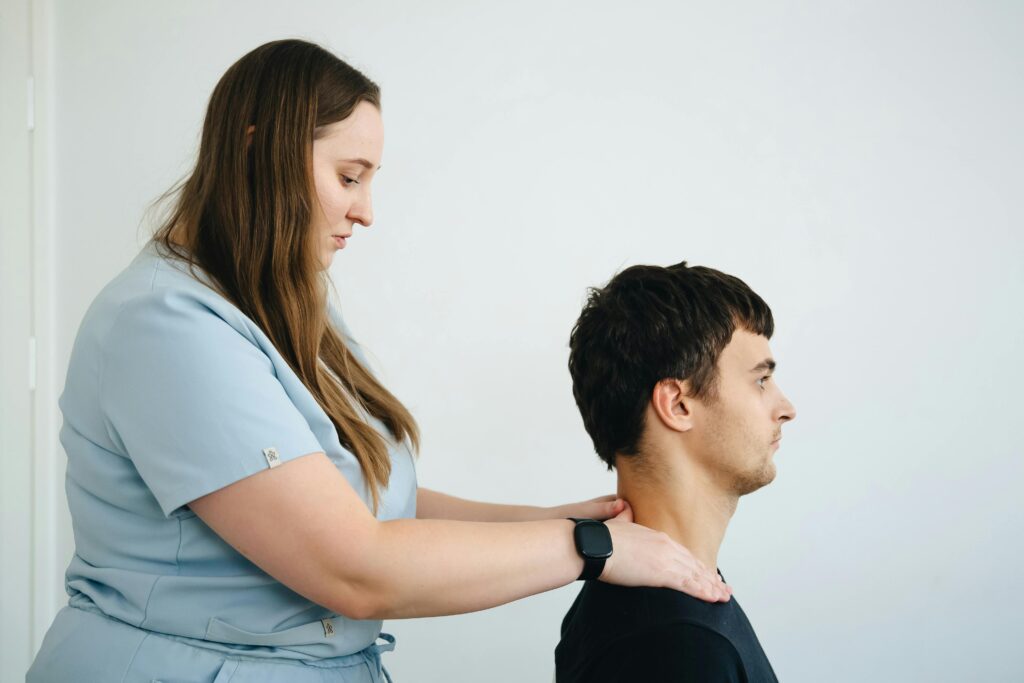
Musculoskeletal (MSK) disorders affect bones, muscles, joints, tendons, ligaments, and nerves. Traditionally associated with aging populations, MSK conditions are now showing up aggressively in millennials.
According to global health data, musculoskeletal disorders are the leading cause of disability worldwide, and in India, the problem is accelerating in younger age groups. Lower back pain, cervical spondylosis, tennis elbow, and knee pain—conditions once seen in people over 50—are now routine presentations in patients aged 25-38.
The reasons are uniquely Indian and uniquely millennial.
7 Key Reasons Indian Millennials Develop Musculoskeletal Pain Early
1. The Sedentary IT Work Culture
India is home to one of the world’s largest IT and software workforces, concentrated in cities like Bangalore. Millennials in tech spend 8-12 hours daily hunched over laptops and monitors, often in poorly ergonomic workstations.
The consequences are devastating for the musculoskeletal system:
- Cervical spondylosis from forward head posture
- Lumbar strain from prolonged sitting without lumbar support
- Carpal tunnel syndrome from repetitive typing
- Thoracic kyphosis (rounded upper back) from slouching
The problem intensified post-pandemic. Remote work eliminated commute breaks and formalized the “bed-to-desk-to-couch” lifestyle, reducing incidental movement to near zero.
2. Tech Neck: The Smartphone Epidemic
India has over 700 million smartphone users—and millennials are the heaviest users. Looking down at phones for hours daily places 3-4 times more stress on the cervical spine than a neutral head position.
“Tech neck” is now a recognized clinical condition causing:
- Persistent neck and shoulder pain
- Radiating arm pain and numbness
- Frequent headaches
- Reduced cervical range of motion
Young patients in their late 20s are arriving at our physiotherapy clinic in Bangalore with cervical spine degeneration previously seen only in 50-year-olds.
3. Gym Culture Done Wrong
India’s millennial generation has embraced fitness culture enthusiastically. Gym memberships, CrossFit, HIIT workouts, and heavy lifting have surged in popularity. While exercise is essential, exercising without proper technique, warm-up, or recovery creates serious MSK injury risks.
Common gym-related musculoskeletal injuries in millennials:
- Rotator cuff tears from poor shoulder mechanics
- Knee ligament injuries from improper squatting
- Herniated discs from incorrect deadlifting form
- Ankle sprains and stress fractures from overtraining
The “no pain, no gain” mentality leads many millennials to push through early warning signs, converting minor injuries into chronic conditions.
4. High Stress, Poor Sleep, and Muscular Tension
India’s millennials face some of the highest stress levels globally—long working hours, financial pressures, career competition, and urban lifestyle demands all contribute. Chronic psychological stress directly impacts the musculoskeletal system by:
- Increasing muscle tension, especially in the neck, shoulders, and jaw
- Elevating cortisol, which promotes inflammation in joints and connective tissue
- Disrupting sleep quality, preventing adequate muscle recovery
- Reducing pain threshold, making existing conditions feel more severe
The mind-body connection is real, and millennials under chronic stress experience musculoskeletal symptoms at disproportionately high rates.
5. Nutritional Deficiencies in the Millennial Diet
Despite earning well, many Indian millennials prioritize convenience over nutrition—relying on processed foods, skipping meals, and undereating key micronutrients essential for MSK health.
Critical deficiencies affecting musculoskeletal health:
- Vitamin D: India paradoxically has high Vitamin D deficiency despite abundant sunlight. Office-bound millennials rarely get adequate sun exposure, leading to weakened bones and muscle pain.
- Calcium: Reduced dairy intake among health-conscious millennials impacts bone density.
- Magnesium: Essential for muscle relaxation and recovery; deficiency causes cramping and chronic tension.
- Omega-3 Fatty Acids: Anti-inflammatory nutrients largely absent in typical urban Indian diets.
6. The Commuting Effect
Bangalore’s notorious traffic means millennials spend 2-4 hours daily commuting—sitting in cars, autos, or on bikes in fixed, stressful postures. This prolonged, vibration-heavy sitting compresses lumbar discs, tightens hip flexors, and creates cumulative spinal stress that, over years, manifests as chronic lower back pain.
Two-wheeler commuting is particularly damaging, as it offers no lumbar support, involves sustained vibration, and requires sustained cervical extension at traffic signals.
7. Ignoring Early Warning Signs
Perhaps the most significant factor is behavioral: Indian millennials, driven by productivity culture, routinely ignore early musculoskeletal warning signs. Minor aches are dismissed as “sitting too long” or “gym soreness.” By the time they seek professional help at a physiotherapy clinic in Bangalore, acute conditions have often become chronic and complex.
Early intervention from a qualified physiotherapist in Marathahalli or Bangalore can prevent this progression entirely.
When Should You See a Physiotherapist?
Don’t wait for pain to become disabling. Seek musculoskeletal pain management in Bangalore if you experience:
- Neck or back pain lasting more than 2 weeks
- Pain radiating into arms, hands, or legs
- Numbness, tingling, or weakness in extremities
- Joint stiffness that limits your range of motion
- Pain worsening after prolonged sitting or screen time
- Recurring injuries from the gym or sports activities
Musculoskeletal Pain Treatment in Bangalore: The BSI Approach
At BSI Physiotherapy, we take a holistic, evidence-based approach to musculoskeletal pain treatment in Bangalore. Our comprehensive care includes:
Accurate Diagnosis First: We begin with a thorough clinical assessment identifying the root cause—not just masking symptoms.
Manual Therapy: Hands-on joint mobilization and soft tissue techniques that restore mobility and reduce pain quickly.
Targeted Exercise Rehabilitation: Customized exercise programs that strengthen weak muscles, correct imbalances, and prevent recurrence.
Postural Correction: Addressing the fundamental postural issues causing your pain, with ergonomic guidance for your workspace.
Dry Needling & Advanced Modalities: Evidence-based techniques for chronic pain and trigger point management.
Patient Education: Teaching you to understand your body, recognize early warning signs, and maintain musculoskeletal health long-term.
As the best physiotherapists in Marathahalli, our team is experienced in treating IT professionals, young athletes, and millennials dealing with lifestyle-related musculoskeletal conditions.
Prevention: What Millennials Can Do Right Now
You don’t have to wait until pain forces you to act. These evidence-based strategies protect your musculoskeletal health:
- Follow the 20-20-20 rule: Every 20 minutes, take a 20-second break and look 20 feet away
- Set up an ergonomic workstation: Monitor at eye level, lumbar support, feet flat on the floor
- Incorporate movement breaks: Stand, stretch, or walk for 5 minutes every hour
- Limit phone use posture awareness: Hold your phone at eye level rather than looking down
- Prioritize sleep: 7-8 hours of quality sleep is when muscular repair happens
- Invest in proper fitness coaching: Learn correct technique before lifting heavy
- Get Vitamin D levels checked: Supplement if deficient
Frequently Asked Questions
Q: At what age does musculoskeletal pain typically start in India?
A: Increasingly, Indians are experiencing musculoskeletal pain in their mid-20s, primarily due to sedentary IT jobs and smartphone overuse. Conditions like cervical spondylosis and lower back pain, once rare before 40, are now common in the 25-35 age group.
Q: Is physiotherapy better than painkillers for musculoskeletal pain?
A: Yes. Painkillers provide temporary relief but don’t address the underlying cause. Physiotherapy corrects the root problem through targeted exercises, manual therapy, and postural correction, providing lasting relief without medication dependency.
Q: How many physiotherapy sessions will I need to recover?
A: Recovery varies by condition severity. Acute conditions may resolve in 4-8 sessions, while chronic musculoskeletal conditions typically require 12-20 sessions. Your physiotherapist will provide a personalized recovery plan after assessment.
Q: Can musculoskeletal pain go away on its own without treatment?
A: Mild acute pain may resolve independently within 1-2 weeks. However, pain persisting beyond 2 weeks or recurring frequently requires professional assessment. Untreated MSK conditions often progress from acute to chronic, becoming significantly harder to treat.
Q: Is it safe to exercise with musculoskeletal pain?
A: It depends on the condition. Gentle movement is usually beneficial, but exercising incorrectly with MSK pain can worsen injury. Always consult a physiotherapist before continuing exercise with persistent pain.
Q: What is the cost of physiotherapy treatment in Bangalore?
A: Physiotherapy session costs in Bangalore typically range from ₹500 to ₹1,500 per session depending on the clinic, treatment type, and therapist’s expertise. BSI Physiotherapy offers comprehensive assessment-based treatment plans suited to different budgets.
Q: Can poor posture at work permanently damage my spine?
A: Long-term poor posture causes structural changes to spinal discs, muscles, and ligaments that can become permanent without intervention. Early postural correction through physiotherapy prevents irreversible damage.
Conclusion: Your Pain Is Real—and Treatable
Indian millennials are experiencing a perfect storm of musculoskeletal risk factors: sedentary work, technology overuse, gym culture without guidance, chronic stress, nutritional gaps, and a culture of ignoring pain until it’s severe.
The good news? Musculoskeletal pain is one of the most treatable conditions in medicine when addressed early. Expert physiotherapy, postural correction, and lifestyle modifications can completely resolve most conditions and prevent recurrence.
At BSI Physiotherapy, our experienced team of physiotherapists in Marathahalli and Bangalore are dedicated to helping millennials move better, feel better, and live without pain. Don’t wait for occasional discomfort to become a chronic condition.
Book your assessment today and take the first step toward a pain-free, active life.