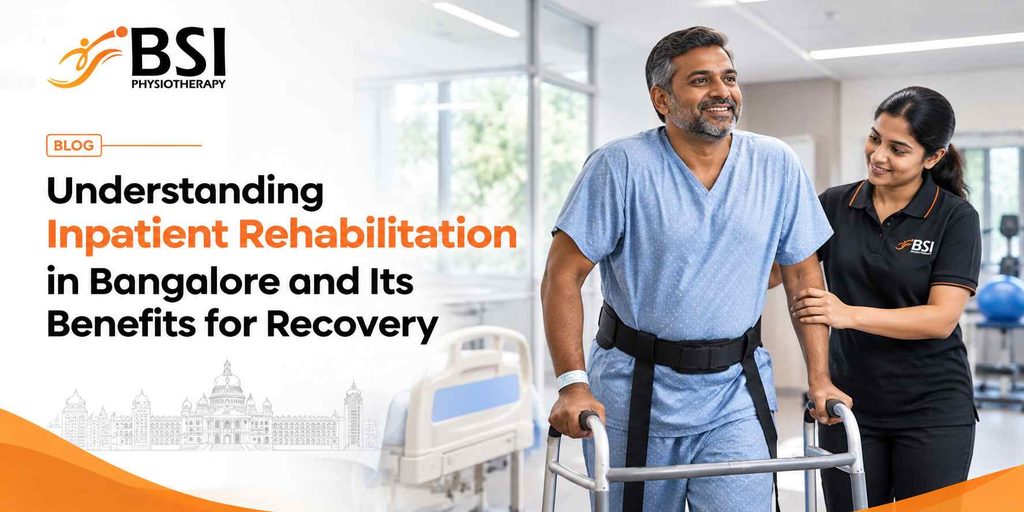
Recovering from a major illness, surgery, stroke or serious injury can be challenging. While medical treatment addresses the immediate health condition, many patients require additional support to regain their strength, mobility and independence. This is where inpatient medical rehabilitation plays an important role.
For patients and families in Bangalore, understanding the available rehabilitation options can help make informed decisions about long-term recovery. Inpatient rehabilitation combines medical supervision, physiotherapy and other specialised therapies to help individuals gradually return to their daily activities.
Whether someone is recovering from a stroke, orthopaedic surgery, spinal cord injury or prolonged hospitalisation, a structured rehabilitation programme can support their physical and functional recovery.
What Is Inpatient Medical Rehabilitation?
Inpatient medical rehabilitation is a specialised healthcare programme in which patients stay admitted to a rehabilitation facility or hospital while receiving coordinated medical care and therapy.
Unlike regular outpatient physiotherapy, where patients visit a clinic for scheduled sessions and return home, inpatient rehabilitation provides continuous medical supervision alongside structured rehabilitation sessions.
The programme generally involves a multidisciplinary team consisting of:
- Rehabilitation physicians
- Physiotherapists
- Occupational therapists
- Speech and language therapists
- Rehabilitation nurses
- Clinical psychologists
- Dietitians, when required
Each professional contributes to a patient’s recovery based on their medical condition and functional limitations.
The primary objective is to improve mobility, muscle strength, balance, coordination and the ability to perform everyday activities independently.
Who Needs Inpatient Medical Rehabilitation?
Not every patient requires inpatient rehabilitation. It is generally recommended for individuals who need intensive therapy, regular medical monitoring or assistance with daily activities that cannot be safely managed at home.
Some common conditions that may require inpatient rehabilitation include:
1. Stroke and Paralysis Recovery
Stroke can affect movement, speech, balance and coordination. Patients may experience weakness or paralysis on one side of the body.
Rehabilitation can help patients work towards improving muscle control, walking ability, balance and independence in daily activities.
2. Orthopaedic Surgery Recovery
Patients recovering from major orthopaedic procedures, such as total knee replacement, hip replacement or complex fracture surgery, may require supervised rehabilitation.
Physiotherapy focuses on restoring joint movement, strengthening muscles and gradually improving walking and functional mobility.
3. Spinal Cord Injuries
Spinal cord injuries can affect movement, sensation and bladder or bowel function. Rehabilitation may involve mobility training, strengthening exercises, transfer techniques and learning to use assistive devices.
4. Brain and Neurological Injuries
Patients recovering from traumatic brain injuries and neurological conditions may experience difficulties with coordination, balance, muscle control and cognitive functions.
A structured rehabilitation programme can help address these limitations through specialised therapies.
5. Recovery After Prolonged Hospitalisation
Patients who have spent extended periods in intensive care or hospital settings may experience significant muscle weakness, reduced endurance and difficulty performing routine activities.
Rehabilitation helps gradually rebuild strength, improve physical endurance and restore functional independence.
Benefits of Inpatient Medical Rehabilitation
Inpatient rehabilitation offers several benefits, particularly for patients who require continuous support and intensive therapy.
1. Personalised Recovery Programmes
Every patient has different rehabilitation requirements. A personalised treatment plan is developed after assessing the patient’s medical history, physical condition, mobility and functional limitations.
Treatment goals are reviewed regularly to ensure that rehabilitation progresses according to the patient’s abilities.
2. Supervised Physiotherapy Sessions
Physiotherapy is an important part of inpatient rehabilitation. Patients receive guided exercises and movement training to improve muscle strength, flexibility, balance and coordination.
Supervision also helps therapists modify exercises according to the patient’s tolerance and recovery progress.
3. Improved Mobility and Independence
One of the primary goals of rehabilitation is to help patients become more independent.
Treatment may include:
- Bed mobility and sitting balance exercises.
- Standing and walking training.
- Stair-climbing practice.
- Muscle strengthening.
- Functional movement training.
- Transfers between beds, chairs and wheelchairs.
These activities help patients gradually regain confidence in performing everyday tasks.
4. Continuous Medical Monitoring
Patients recovering from serious medical conditions may require regular monitoring.
Inpatient rehabilitation allows healthcare professionals to observe changes in the patient’s condition, identify potential complications and coordinate appropriate medical care.
5. Support for Family Members and Caregivers
Recovery does not involve patients alone. Family members and caregivers also play an important role.
Rehabilitation teams can educate caregivers about safe transfers, positioning, mobility assistance and home-based exercises.
This preparation helps families support patients after discharge.
What Is the Role of Physiotherapy in Inpatient Rehabilitation?
Physiotherapy is one of the core components of a comprehensive rehabilitation programme.
Its main purpose is to restore movement, improve physical function and help patients gradually return to their usual activities.
Depending on the patient’s condition, physiotherapy may include:
Strengthening Exercises: Targeted exercises help rebuild weakened muscles and improve physical strength.
Range of Motion Exercises: These exercises help maintain or improve joint flexibility and reduce stiffness.
Balance and Coordination Training: Patients recovering from neurological conditions or prolonged hospitalisation may benefit from supervised balance exercises.
Gait Training: Walking exercises help patients improve their walking pattern, stability and confidence.
Functional Rehabilitation: Patients practise everyday activities such as standing, sitting, transferring and climbing stairs.
Respiratory Physiotherapy: When clinically indicated, breathing exercises and airway clearance techniques may support respiratory function.
The physiotherapist regularly evaluates progress and adjusts the rehabilitation programme according to the patient’s recovery goals.
How Long Does Inpatient Rehabilitation Take?
The duration of inpatient rehabilitation varies depending on the patient’s medical condition, severity of impairment, age, physical strength and response to treatment.
Some patients may require a few weeks of rehabilitation, while others with complex neurological or spinal cord injuries may need several months of structured care.
The rehabilitation team generally evaluates the patient’s progress through functional assessments and treatment goals.
There is no fixed recovery timeline that applies to everyone. Consistency, medical stability and appropriate rehabilitation planning are important factors.
Inpatient vs Outpatient Physiotherapy: What Is the Difference?
Understanding the difference between inpatient and outpatient rehabilitation helps patients choose an appropriate care setting.
| Inpatient Rehabilitation | Outpatient Physiotherapy |
| Patient stays admitted at a rehabilitation facility. | Patient visits a physiotherapy clinic for scheduled sessions. |
| Provides coordinated medical and rehabilitation support. | Primarily focuses on physiotherapy and rehabilitation needs. |
| Suitable for patients requiring intensive supervision. | Suitable for patients who can safely manage their daily activities outside the clinic. |
| May include nursing and multiple therapy services. | Usually involves physiotherapy and other scheduled outpatient services. |
| Requires an admission and discharge plan. | Patients return home after each session. |
Choosing the Right Physiotherapy and Rehabilitation Centre in Bangalore
Bangalore has several healthcare facilities offering physiotherapy, neurological rehabilitation and post-operative recovery programmes.
When searching for the Best Physiotherapy Clinic in Bangalore, patients should consider the following factors:
- Qualified and experienced physiotherapists.
- Individualised assessment and treatment plans.
- Experience in neurological and orthopaedic rehabilitation.
- Access to appropriate rehabilitation equipment.
- Clear treatment goals and regular progress assessments.
- Patient education and caregiver guidance.
- Convenient clinic location and appointment availability.
Patients searching for the Best Physiotherapy Centre in Bangalore should also consider whether the facility provides rehabilitation services suited to their specific medical condition.
If the patient requires inpatient medical supervision, it is important to choose a hospital or dedicated rehabilitation facility equipped to provide that level of care.
For individuals who are medically stable and can travel safely, outpatient physiotherapy may be an appropriate option.
At BSI Physiotherapy, the focus is on assessment-based physiotherapy and helping individuals improve movement, strength and physical function through structured rehabilitation. Patients can discuss their rehabilitation requirements with the clinical team to understand suitable physiotherapy options.
Frequently Asked Questions About Inpatient Rehabilitation in Bangalore
1. What is the difference between inpatient rehabilitation and regular physiotherapy?
Inpatient rehabilitation involves staying admitted to a healthcare facility while receiving medical supervision and multiple rehabilitation services. Regular outpatient physiotherapy involves attending scheduled therapy sessions without hospital admission.
2. How much does inpatient rehabilitation cost in Bangalore?
The cost varies depending on the hospital or rehabilitation facility, room category, medical supervision, therapy requirements and duration of admission. Patients should request a detailed estimate from the facility before admission.
3. How long does rehabilitation take after a stroke?
Stroke rehabilitation duration depends on the severity of the stroke, affected functions and the patient’s overall health. Some individuals require weeks of rehabilitation, while others may need several months or longer.
4. Can elderly patients undergo inpatient medical rehabilitation?
Yes. Elderly patients recovering from falls, fractures, joint replacement surgery, strokes or prolonged illness may benefit from supervised rehabilitation. Their treatment plan should be customised according to their medical condition and physical capacity.
5. Is physiotherapy necessary after knee or hip replacement surgery?
Physiotherapy is an important part of recovery after knee and hip replacement surgery. It helps improve joint mobility, strengthen surrounding muscles, restore walking ability and support a safe return to daily activities.
6. Can patients continue physiotherapy after hospital discharge?
Yes. Many patients transition from inpatient rehabilitation to outpatient physiotherapy or home-based rehabilitation after discharge. Continued therapy helps maintain progress and work towards additional functional goals.
7. How do I find physiotherapy near me in Bangalore?
If you are searching for Physiotherapy near me, consider clinics based on your location, treatment requirements, therapist qualifications and available services. Patients in areas such as Marathahalli, Whitefield and Jayanagar can explore suitable physiotherapy options based on accessibility and clinical requirements.
8. Is inpatient rehabilitation better than home physiotherapy?
Neither option is universally better. Inpatient rehabilitation is generally appropriate for patients who require intensive therapy and medical supervision. Home physiotherapy may be suitable for medically stable patients who can safely receive treatment at home. A healthcare professional can help determine the appropriate setting.
Conclusion
Inpatient medical rehabilitation is an important part of recovery for individuals dealing with serious illnesses, neurological conditions, major surgeries and physical injuries. By combining medical supervision with structured physiotherapy and specialised therapies, it helps patients work towards improved mobility, strength and independence.
Choosing the right rehabilitation programme depends on the patient’s medical condition, functional needs and recovery goals.
For individuals looking for the Best Physiotherapy Clinic in Bangalore or searching for Physiotherapy near me, selecting an experienced physiotherapy team can make an important difference in planning and continuing the recovery journey.
BSI Physiotherapy focuses on personalised physiotherapy and rehabilitation to help individuals improve their movement, physical function and quality of life.