
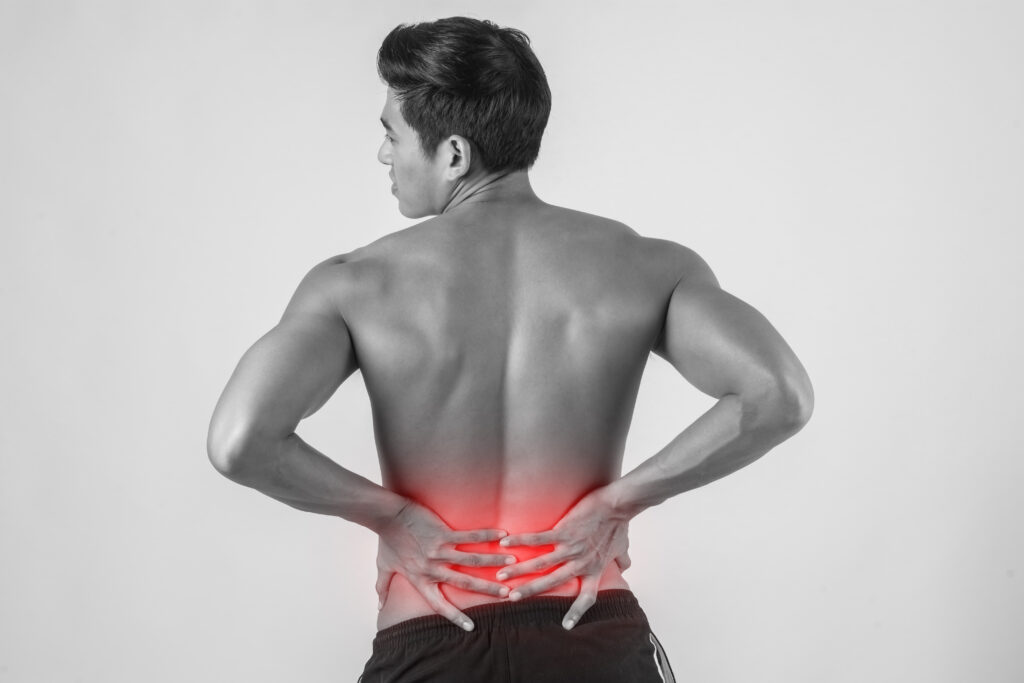
Why Does Something So Small Cause So Much Pain?
Isn’t it surprising how a tiny bone at the end of your spine can make sitting through a meeting, driving home, or even sleeping feel unbearable? Tailbone pain, also called coccydynia, can quietly take over your daily life. You shift constantly in your chair. You avoid long drives. You hesitate before sitting down. And slowly, your routine starts revolving around discomfort.
If you are searching for Tailbone pain treatment in Bangalore, you are not alone. Many office workers, new mothers, athletes, and even teenagers struggle with this condition more often than we talk about.
Let’s break it down in a simple and practical way.
What Exactly Is Tailbone Pain?
The tailbone, or coccyx, sits at the bottom of your spine. It supports your body when you sit and connects several ligaments and pelvic floor muscles.
Pain usually feels like:
- Sharp discomfort while sitting
- Pain when getting up from a chair
- Tenderness at the base of the spine
- Pain after long drives
- Discomfort during bowel movements
Sometimes it starts after a fall. Sometimes after childbirth. And sometimes, it appears without a clear reason.
This is where professional Tailbone pain treatment becomes important. Ignoring it rarely makes it disappear.
Why Does Tailbone Pain Persist?

Tailbone pain often becomes chronic because the root cause is not addressed.
Common reasons include:
- Direct fall on the back
- Prolonged sitting on hard surfaces
- Poor posture
- Childbirth-related strain
- Repetitive stress in athletes
- Weak pelvic floor muscles
Many patients try cushions and painkillers. They may give temporary relief. But if joint alignment, muscle imbalance, or inflammation remains untreated, pain returns.
How Can Physiotherapy Actually Help?
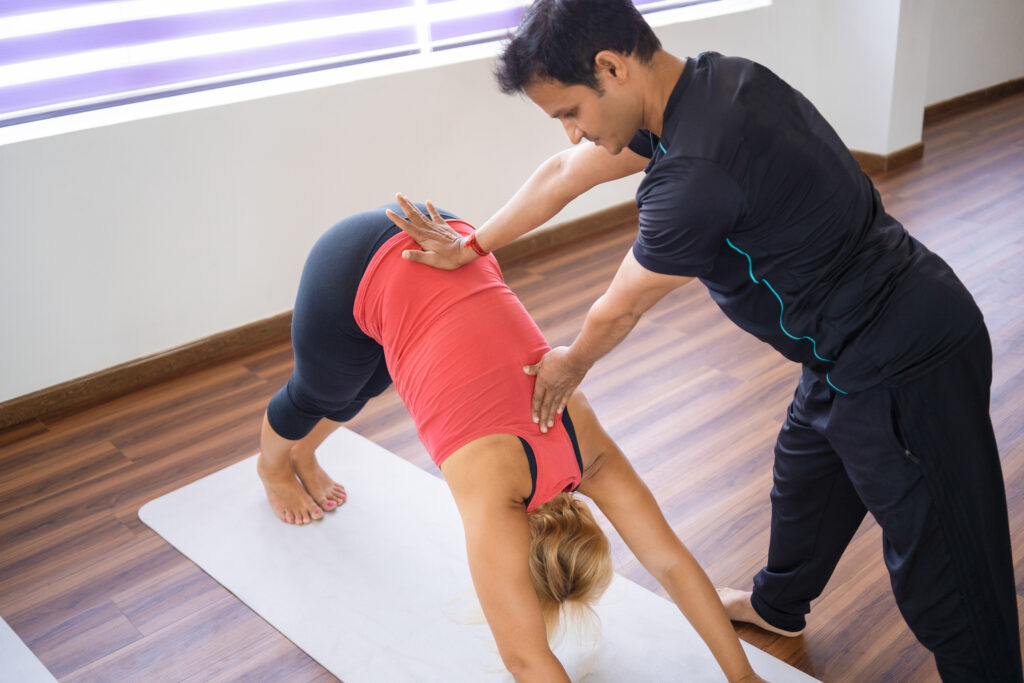
You might think, “It’s just a small bone. How can exercises fix it?”
The truth is, physiotherapy does much more than exercises.
1. Accurate Assessment
A trained expert evaluates:
- Pelvic alignment
- Sitting posture
- Muscle tightness
- Core stability
- Pelvic floor strength
2. Manual Therapy for Alignment
Sometimes the coccyx becomes slightly misaligned after trauma. Gentle manual techniques can help restore movement and reduce irritation. This is a key part of structured Tailbone pain treatment Bangalore.
3. Muscle Release Techniques
Tight gluteal muscles, piriformis, and pelvic floor muscles can pull on the tailbone. Releasing these muscles reduces pressure on the coccyx.
4. Targeted Strengthening
Weak core and pelvic floor muscles fail to support the pelvis. Strengthening these areas improves load distribution while sitting and moving.
5. Posture Correction
Slouching increases direct pressure on the coccyx. Small posture corrections can bring big relief.
Tailbone Pain Treatment at BSI Physiotherapy
When it comes to comprehensive Tailbone pain treatment, BSI Physiotherapy focuses on identifying the exact mechanical and muscular causes behind your discomfort. Their team evaluates posture, pelvic alignment, muscle tightness, and core stability before designing a personalised rehabilitation plan. Treatment may include manual therapy to improve joint mobility, soft tissue release for surrounding muscles, pelvic floor retraining, and progressive strengthening exercises. What sets BSI Physiotherapy apart is their structured and monitored recovery approach. Instead of offering temporary relief, they aim to correct underlying imbalances that trigger persistent pain. Patients are guided step by step, ensuring safe progression and measurable improvement. For those searching for reliable Tailbone pain treatment Bangalore, BSI Physiotherapy provides evidence-based care that focuses on comfort, mobility, and long-term prevention.
When Should You See a Specialist?
Tailbone pain should not be ignored if:
- Pain lasts more than two weeks
- Sitting becomes increasingly difficult
- You experience pain after childbirth
- Pain returns repeatedly
- Home remedies do not help
Consulting the physiotherapist early can shorten recovery time significantly.
Remember, chronic pain is harder to treat than early-stage pain.
What Does Recovery Look Like?
Most patients improve within weeks when treatment is consistent.
Your recovery plan may include:
- Cushion advice and sitting modifications
- Stretching routines
- Core activation drills
- Pelvic floor strengthening
- Gradual return to normal activities
With structured Tailbone pain treatment, patients often report reduced pain within the first few sessions.
Consistency is the key. Healing does not happen overnight. But steady improvement builds confidence.
Can Tailbone Pain Be Prevented?
Yes, in many cases.
Simple habits help:
- Avoid prolonged sitting
- Use ergonomic chairs
- Maintain upright posture
- Strengthen core muscles
- Avoid sudden impact on the lower back
Why Choosing the Right Physiotherapist Matters
Tailbone pain requires specific expertise. Not all back pain treatments address coccyx-related issues correctly.
The tailbone pain physiotherapist understands:
- Pelvic biomechanics
- Coccyx mobility
- Pelvic floor rehabilitation
- Safe progression strategies
Choosing experienced professionals ensures that treatment is not just symptom-based but root-cause focused.
That is why many patients specifically look for expert-led Tailbone pain treatment rather than generic back pain therapy.
Living Pain-Free Is Possible
Imagine sitting through a movie comfortably. Driving without shifting constantly. Getting up from a chair without hesitation.
Tailbone pain may feel small, but its impact on daily life is huge. The good news? With the right Tailbone pain treatment, recovery is achievable.
Physiotherapy works because it addresses:
- Joint mechanics
- Muscle balance
- Postural correction
- Functional movement
And most importantly, it restores your confidence.
Conclusion: Take the First Step Toward Comfort
You do not have to adjust your life around tailbone pain. The longer you delay care, the longer recovery may take. If sitting, driving, or daily movements are causing discomfort, it is time to act.
Choose structured and expert-guided Tailbone pain treatment Bangalore that focuses on long-term relief, not temporary fixes. At BSI Physiotherapy, the approach is personalised, evidence-based, and designed to help you move freely again.
Book your consultation at one of the Best Physiotherapy clinic in Bangalore today and let the Best tailbone pain physiotherapist in Bangalore help you sit, move, and live pain-free once again.