

Why does shoulder pain feel so hard to understand?
Why does a simple movement like reaching overhead suddenly feel uncomfortable, weak, or unreliable? For many people, shoulder pain doesn’t arrive with a clear warning. It builds quietly, alters movement patterns, and slowly starts affecting work, workouts, and sleep. This is exactly why shoulder diagnosis often feels confusing—both for patients and clinicians. When the true cause is missed, people end up searching repeatedly for shoulder pain treatment Bangalore, hoping for lasting relief instead of temporary fixes.
A strong diagnosis isn’t about rushing to conclusions. It’s about slowing down, observing movement, and understanding how the shoulder behaves as part of the whole body.
Tip 1 – Stop Chasing Pain, Start Understanding Movement
What is the shoulder really doing when it hurts?
Pain is what brings people to the clinic, but pain alone rarely explains the problem. The shoulder is designed to move freely, yet remain stable. When this balance is disturbed, pain appears as a warning sign—not the root issue.
A proper assessment looks at:
- How smoothly the arm lifts and lowers
- Whether the shoulder blade moves in sync
- If other areas like the neck or lower back compensate
Many people seeking shoulder pain treatment Bangalore experience pain only during specific movements, not at rest. This often points toward movement dysfunction rather than tissue damage. When clinicians observe movement quality instead of just measuring range, diagnosis becomes clearer and more accurate.
Tip 2 – Is the Scapula and Spine Being Overlooked?
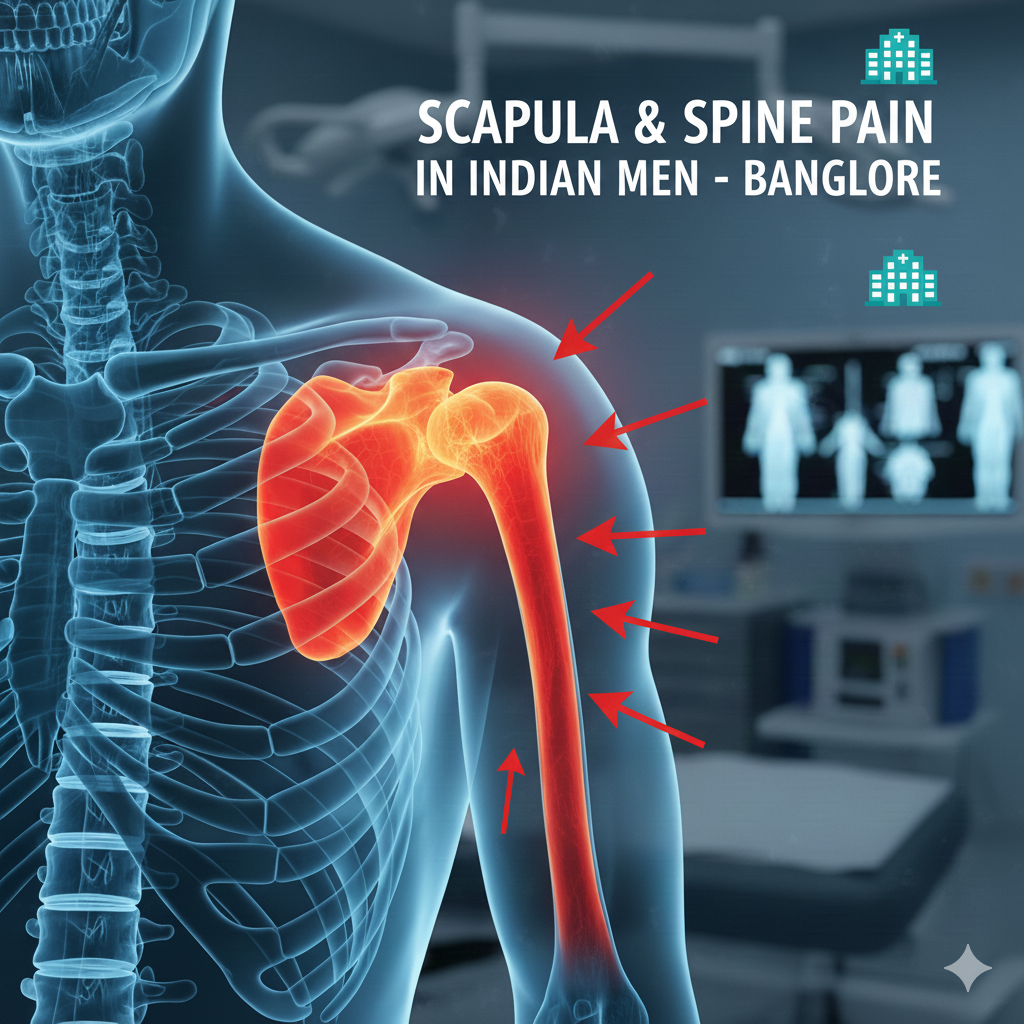
Why shoulder pain is rarely just a shoulder problem
One of the most common diagnostic errors is treating the shoulder as an isolated joint. In reality, the shoulder depends heavily on the scapula and thoracic spine. When these areas don’t move well, the shoulder absorbs excessive stress.
Assessment should always include:
- Scapular position at rest
- Control during overhead movements
- Thoracic spine extension and rotation
Without this evaluation, treatment often feels incomplete. Many patients go through repeated cycles of discomfort and end up again searching for shoulder pain treatment Bangalore, wondering why the pain keeps returning. Addressing these hidden contributors often brings faster and more sustainable improvement.
Tip 3 – Do Clinical Tests Match Real-Life Function?
Are test results translating into daily comfort?
Special tests are useful tools, but they don’t tell the full story. A shoulder may test “positive” in a clinical setting yet function well in daily tasks—or the opposite may be true.
A strong assessment connects test findings with:
- Lifting and carrying tasks
- Reaching, pushing, or pulling movements
- Sport- or work-specific activities
This functional approach helps clinicians understand when and why pain appears. For people actively looking for shoulder pain treatment Bangalore, this clarity reduces fear and builds confidence in the recovery process.
Why Shoulder Diagnosis Often Gets Delayed
Many individuals normalize shoulder discomfort, assuming it will resolve on its own. Over time, movement compensations develop, strength reduces, and stiffness increases. By the time help is sought, the issue feels more complex.
Delayed diagnosis leads to:
- Longer recovery timelines
- Increased frustration
- Dependence on short-term relief methods
Early assessment can prevent the need for prolonged shoulder pain treatment Bangalore and reduce the risk of chronic pain patterns forming.
The Emotional Side of Shoulder Pain
Shoulder pain doesn’t just affect movement—it affects mood, confidence, and independence. Patients often worry about permanent damage or the possibility of surgery. Unclear diagnoses add to this stress.
Empathetic assessment acknowledges:
- Fear around movement
- Anxiety about long-term limitations
- Frustration from failed treatments
When diagnosis is explained clearly, patients seeking physiotherapy for shoulder pain in Bangalore feel reassured and more engaged in their recovery journey.
Shoulder Pain Treatment at BSI Physiotherapy – A Structured and Thoughtful Approach
Shoulder pain treatment requires precision, patience, and a deep understanding of movement mechanics. At BSI Physiotherapy, shoulder pain treatment focuses on identifying the true source of dysfunction rather than simply managing symptoms. Each individual undergoes a detailed assessment that examines shoulder mobility, scapular control, posture, and functional movement patterns.
Treatment plans are customized to match the patient’s lifestyle—whether that involves sports, desk work, or daily household activities. Emphasis is placed on restoring stability, improving coordination, and gradually rebuilding strength in a safe and controlled manner. Education plays a vital role, helping patients understand their condition and avoid future flare-ups. This comprehensive and movement-based approach has positioned BSI Physiotherapy as a trusted choice for people seeking effective shoulder care in Bangalore.
Why Accurate Diagnosis Saves Time and Effort
When diagnosis is precise, treatment becomes more focused. Patients progress faster because exercises target the real issue, not just the painful area.
Accurate diagnosis helps:
- Reduce unnecessary treatments
- Prevent repeated flare-ups
- Improve long-term shoulder health
This is why expert-led shoulder pain treatment Bangalore emphasizes assessment as the foundation of recovery.
When Should You Seek Professional Help?
If shoulder pain lasts more than a few weeks, disrupts sleep, or limits daily activity, professional evaluation is important. Ignoring early signs often leads to more complicated issues requiring extended shoulder pain treatment Bangalore.
Early intervention:
- Prevents chronic pain
- Improves movement efficiency
- Builds confidence in physical activity
How the Right Guidance Improves Outcomes
People searching for physiotherapy for shoulder pain in Bangalore often want clarity as much as relief. Understanding what’s happening inside the shoulder helps patients trust the process and stay consistent with treatment.
Clear assessment leads to:
- Better adherence to exercises
- Reduced fear of movement
- Long-lasting improvement
Conclusion – Better Assessment Leads to Better Recovery
Shoulder diagnosis is not about labels or assumptions. It’s about understanding how the shoulder moves, where it compensates, and why pain developed in the first place. When assessment improves, recovery becomes smoother and more predictable.
At BSI Physiotherapy, shoulder care is rooted in detailed evaluation, clinical expertise, and patient education. If shoulder discomfort is holding you back, expert-led shoulder pain treatment Bangalore can help you move with confidence again.
Book your consultation with BSI Physiotherapy today and take the first step toward lasting shoulder health.