
How to Avoid Recovery Failures in Bangalore After Surgery: Expert Tips for a Faster Healing Journey
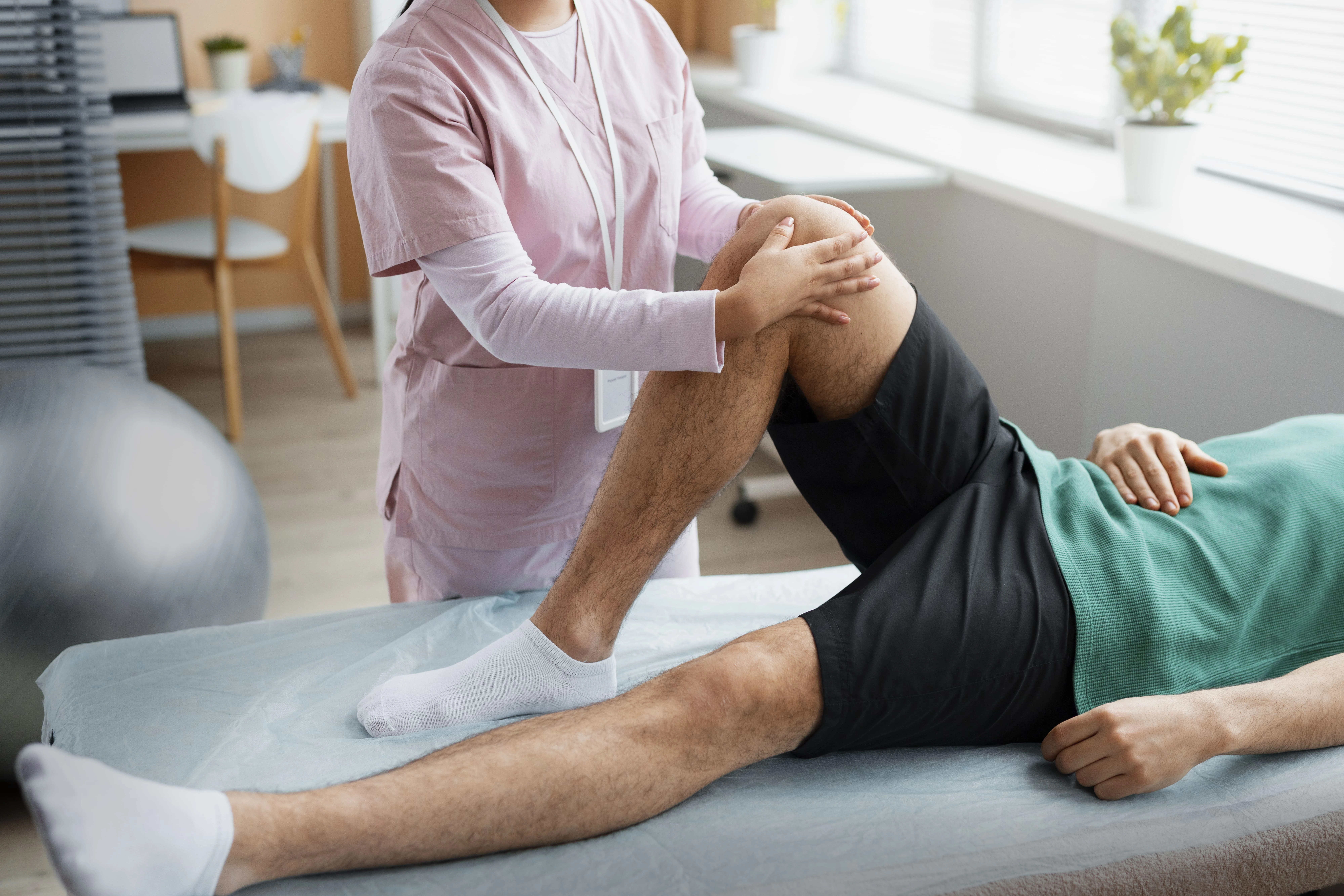
Surgery is often the first step toward recovery, not the final destination. Whether you’ve undergone a knee replacement, ACL reconstruction, shoulder surgery, spine procedure, or fracture fixation, the quality of your recovery determines how quickly and effectively you return to normal life.
Unfortunately, many patients in Bangalore experience avoidable setbacks during recovery due to inadequate rehabilitation, delayed physiotherapy, poor exercise adherence, or misconceptions about post-operative care. These recovery failures can lead to prolonged pain, stiffness, weakness, reduced mobility, and even the need for additional medical intervention.
At BSI Physiotherapy, we have helped thousands of patients successfully navigate their recovery journey through evidence-based post-surgical rehabilitation programs. In this guide, we’ll discuss the most common recovery failures after surgery and provide expert tips to help you heal faster and regain confidence in movement.
Why Post-Surgery Rehabilitation Matters
Many patients believe that once the surgery is completed, healing will naturally happen on its own. While tissues do heal over time, optimal recovery requires a structured rehabilitation plan.
Post surgery rehabilitation in Bangalore
plays a critical role in:
- Reducing pain and inflammation
- Restoring joint mobility
- Preventing muscle weakness
- Improving balance and coordination
- Enhancing functional independence
- Reducing the risk of re-injury
- Accelerating return to work, sports, and daily activities
Without proper rehabilitation, even a technically successful surgery may not deliver the desired outcomes.
Common Recovery Failures After Surgery
1. Delaying Physiotherapy
One of the biggest mistakes patients make is waiting too long before beginning rehabilitation.
After surgery, the body naturally develops stiffness and protective muscle guarding. Delayed rehabilitation often leads to reduced range of motion, muscle wasting, and slower recovery.
Early intervention through post operative physiotherapy in Bangalore helps maintain joint mobility, improve circulation, and promote healing while protecting the surgical site.
2. Avoiding Movement Due to Fear
Many patients worry that moving too much may damage the surgical repair.
While certain precautions are necessary, complete inactivity can be equally harmful. Prolonged bed rest or immobilization often leads to:
- Joint stiffness
- Muscle atrophy
- Poor circulation
- Increased pain
- Delayed functional recovery
3. Ignoring Pain Management Strategies
Pain can significantly impact recovery if not managed appropriately.
Patients who avoid exercises because of pain often experience slower progress. On the other hand, pushing through excessive pain can irritate healing tissues.
Effective recovery involves balancing activity, rest, pain management techniques, and therapeutic exercises under professional supervision.
4. Skipping Home Exercise Programs
Physiotherapy sessions alone are not enough.
Your therapist may see you a few times each week, but recovery happens every day. Consistently following prescribed home exercises helps maintain progress between sessions and accelerates healing.
Patients who neglect their home exercise program often experience slower recovery and poorer long-term outcomes.
5. Returning to Activities Too Soon
Feeling better does not always mean you are fully healed.
Many patients resume sports, gym workouts, heavy lifting, or physically demanding work before their tissues have adequately recovered.
Premature return to activity can result in:
- Re-injury
- Implant stress
- Tendon irritation
- Swelling and inflammation
- Delayed healing
A structured post surgery physiotherapy in Bangalore program helps determine when it is safe to progress to higher-level activities.
6. Poor Nutrition and Hydration
Healing requires adequate nutrients.
Protein, vitamins, minerals, and hydration play a major role in tissue repair and recovery. Poor dietary habits can slow wound healing, increase fatigue, and negatively affect rehabilitation outcomes.
A balanced diet rich in protein, fruits, vegetables, and healthy fats supports faster recovery after surgery.
Expert Tips for a Faster Healing Journey
Follow Your Surgeon's and Physiotherapist's Instructions
Every surgery is unique. Recovery timelines differ based on the procedure, age, health status, and individual goals.
Always follow professional guidance regarding:
- Weight-bearing restrictions
- Exercise progression
- Activity modification
- Pain management
- Return-to-work timelines
Start Rehabilitation Early
Research consistently shows that early rehabilitation improves outcomes after many orthopaedic surgeries.
Seeking professional surgical rehabilitation in Bangalore soon after surgery can help restore function while minimizing complications.
Focus on Quality Movement
Performing exercises correctly is more important than performing many repetitions.
Proper movement patterns help prevent compensations, reduce pain, and improve long-term outcomes.
Stay Consistent
Recovery is rarely linear. Some days will feel better than others.
Consistency is often the biggest predictor of success. Small improvements over weeks and months create significant long-term results.
Monitor Your Progress
Tracking milestones such as walking distance, range of motion, strength levels, and daily activities can help maintain motivation and identify areas needing attention.
How BSI Physiotherapy Supports Post-Surgical Recovery
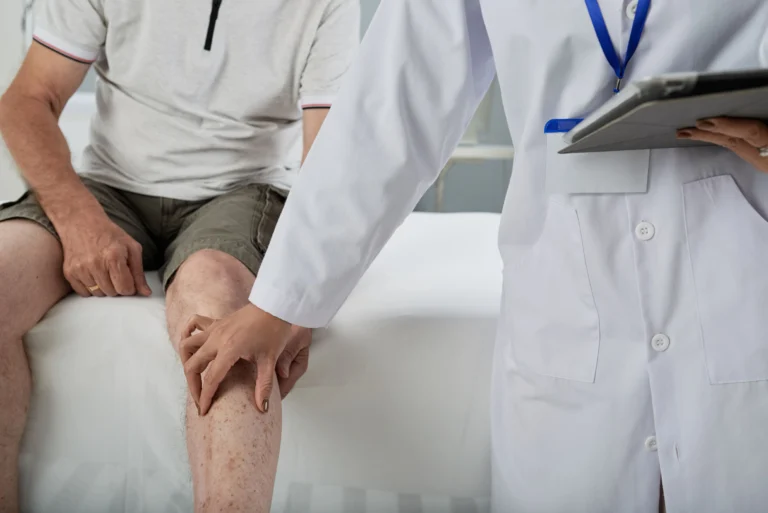
At BSI Physiotherapy, our rehabilitation programs are designed around each patient’s unique needs and goals.
Our comprehensive post-surgical rehabilitation services include:
- Detailed physiotherapy assessment
- Pain and swelling management
- Joint mobility restoration
- Strength and conditioning programs
- Balance and proprioception training
- Functional movement retraining
- Sports-specific rehabilitation
- Home exercise guidance
- Patient education and recovery monitoring
Our experienced team works closely with surgeons and healthcare providers to ensure a safe, effective, and evidence-based recovery process.
Whether you’ve undergone shoulder surgery, ACL reconstruction, knee replacement, spinal surgery, fracture fixation, or sports injury surgery, our goal is to help you regain confidence and return to the activities you love.
When Should You Seek Professional Rehabilitation?
You should consider consulting a physiotherapist if you experience:
- Persistent pain after surgery
- Difficulty walking
- Joint stiffness
- Reduced range of motion
- Muscle weakness
- Swelling that limits movement
- Fear of returning to activity
- Delayed recovery progress
Early intervention often leads to better outcomes and prevents small issues from becoming long-term problems.
Conclusion
Surgery can correct structural problems, but rehabilitation determines how well you recover afterward. Avoiding common recovery failures such as delayed physiotherapy, inactivity, poor exercise compliance, and premature return to activity can significantly improve your healing journey.
If you’re looking for expert post surgery rehabilitation in Bangalore, post operative physiotherapy in Bangalore, post surgery physiotherapy in Bangalore, or comprehensive surgical rehabilitation in Bangalore, BSI Physiotherapy is committed to helping you recover safely, efficiently, and confidently.
The right rehabilitation plan doesn’t just help you heal—it helps you return stronger than before.
Frequently Asked Questions (FAQs)
1. How long does post-surgery rehabilitation take?
The duration varies depending on the type of surgery, age, overall health, and rehabilitation goals. Some patients recover within a few weeks, while others may require several months of structured physiotherapy.
2. When should I start physiotherapy after surgery?
In many cases, physiotherapy begins within days of surgery. However, the exact timeline depends on your surgeon’s recommendations and the specific procedure performed.
3. Is physiotherapy necessary after surgery?
Yes. Physiotherapy helps restore mobility, strength, balance, and function while reducing pain and minimizing the risk of complications.
4. Can physiotherapy reduce post-surgical pain?
Yes. Physiotherapists use evidence-based techniques including manual therapy, therapeutic exercise, movement retraining, and pain management strategies to help reduce discomfort and improve recovery.
5. What happens if I skip post-operative physiotherapy?
Skipping rehabilitation may lead to stiffness, muscle weakness, reduced mobility, slower recovery, and difficulty returning to normal daily activities.
6. Which surgeries commonly require rehabilitation?
Common surgeries requiring rehabilitation include knee replacement, hip replacement, ACL reconstruction, rotator cuff repair, shoulder stabilization surgery, spinal surgery, fracture fixation, and sports injury procedures.
7. Can I do rehabilitation exercises at home?
Home exercises are an important part of recovery. However, they should be prescribed and monitored by a qualified physiotherapist to ensure safety and effectiveness.