
When most people think about physiotherapy, they often imagine soothing massages and perhaps some gentle stretching. However, physiotherapy is so much more than that. It is a comprehensive, evidence-based approach to treatment that encompasses a variety of techniques and methodologies aimed at enhancing recovery, facilitating rehabilitation, and promoting long-term wellness.

Physiotherapy is a healthcare profession dedicated to helping individuals regain and maintain optimal physical function and movement. It employs a range of strategies that are supported by scientific research and clinical evidence. This makes it a critical component of healthcare that goes beyond mere symptom relief.
The Scope of Physiotherapy
Physiotherapy covers an extensive range of treatments and services aimed at restoring function and preventing injury. It is suitable for individuals of all ages, from children to the elderly. By focusing on the physical aspects of health, physiotherapy supports the body’s natural healing processes, promoting overall well-being.
Physiotherapists address a broad spectrum of conditions including musculoskeletal, cardiovascular, respiratory, and neurological disorders. Their expertise is not limited to recovery alone; they also play a significant role in preventive health care, ensuring patients maintain their health and avoid future complications.
The Science Behind Physiotherapy
The foundation of physiotherapy is rooted in scientific research and evidence-based practices. Physiotherapists continuously update their knowledge and skills to incorporate the latest findings in medical science. This commitment to evidence-based practice ensures that the treatment provided is both effective and efficient.
Physiotherapists utilize clinical guidelines developed from rigorous scientific studies. These guidelines are designed to ensure that patients receive the highest standard of care. By integrating research findings into clinical practice, physiotherapists help improve patient outcomes and enhance the quality of life.
The Role of Physiotherapists
Physiotherapists in Bangalore are highly trained professionals who hold a deep understanding of the human body and its functions. They assess, diagnose, and treat a wide range of physical issues, developing personalized plans to meet individual patient needs. Their work often involves collaboration with other healthcare providers to offer comprehensive care.
In addition to clinical expertise, physiotherapists provide education and support, empowering patients to take an active role in their health. They encourage patients to adopt healthier lifestyles and provide them with the tools and knowledge necessary for long-term management of their conditions.
Physiotherapy Treatment Methods
Physiotherapists use a variety of treatment methods tailored to the specific needs of their patients. These methods can include:
Manual Therapy Techniques
Manual therapy involves hands-on techniques such as joint mobilization and manipulation to relieve pain and improve movement. This approach is particularly effective for conditions affecting the joints, muscles, and connective tissues. By using their hands to manipulate the affected areas, physiotherapists can help reduce pain, increase mobility, and promote healing.
The goal of manual therapy is to restore normal function to the affected areas. Techniques such as massage, myofascial release, and trigger point therapy are commonly used to address muscle tension and imbalances. Physiotherapists are skilled in identifying the source of the problem and applying the appropriate techniques to facilitate recovery.
Exercise Prescription and Rehabilitation
Exercise prescription is a cornerstone of physiotherapy, involving customized exercise programs designed to improve strength, flexibility, balance, and overall fitness. These programs are tailored to meet the specific needs and goals of the patient, whether it’s recovering from an injury, managing a chronic condition, or enhancing athletic performance.
Rehabilitation exercises focus on restoring function and mobility. They are carefully designed to target specific muscle groups and address any deficiencies or imbalances. Through regular exercise, patients can regain their strength, improve their range of motion, and enhance their overall physical performance.
Electrotherapy and Technological Interventions
Electrotherapy involves the use of electrical energy to facilitate muscle function and reduce pain, swelling, and inflammation. This treatment modality includes techniques such as ultrasound, TENS (Transcutaneous Electrical Nerve Stimulation), and laser therapy. These technologies offer non-invasive options for managing pain and promoting healing.
Technological advancements have significantly enhanced the field of physiotherapy. Devices like biofeedback, virtual reality, and robotic-assisted therapy provide innovative ways to assess and treat various conditions. By incorporating these technologies into their practice, physiotherapists can offer more precise and effective treatments.
Patient Education and Self-Management
Education and advice are integral components of physiotherapy, providing patients with guidance on injury prevention, ergonomics, and lifestyle modifications to support long-term health. Physiotherapists educate patients on the importance of posture, body mechanics, and activity modification to prevent further injury.
Empowering patients with knowledge and self-management strategies is crucial for long-term success. Physiotherapists work closely with patients to develop self-care routines that promote recovery and prevent re-injury. This collaborative approach helps patients take control of their health and achieve their personal wellness goals.
Aquatic Therapy for Low-Impact Rehabilitation
Aquatic therapy involves exercises performed in water to reduce stress on joints while building strength. The buoyancy of water supports the body, minimizing the impact on joints and allowing for greater ease of movement. This makes it an ideal option for individuals with arthritis, joint pain, or those recovering from surgery.
The resistance of water also provides an effective means of strengthening muscles and improving cardiovascular fitness. Aquatic therapy sessions are tailored to the individual’s needs, focusing on improving flexibility, balance, and endurance. The therapeutic benefits of water, combined with expert guidance, make aquatic therapy a valuable component of physiotherapy.
Evidence-Based Treatment
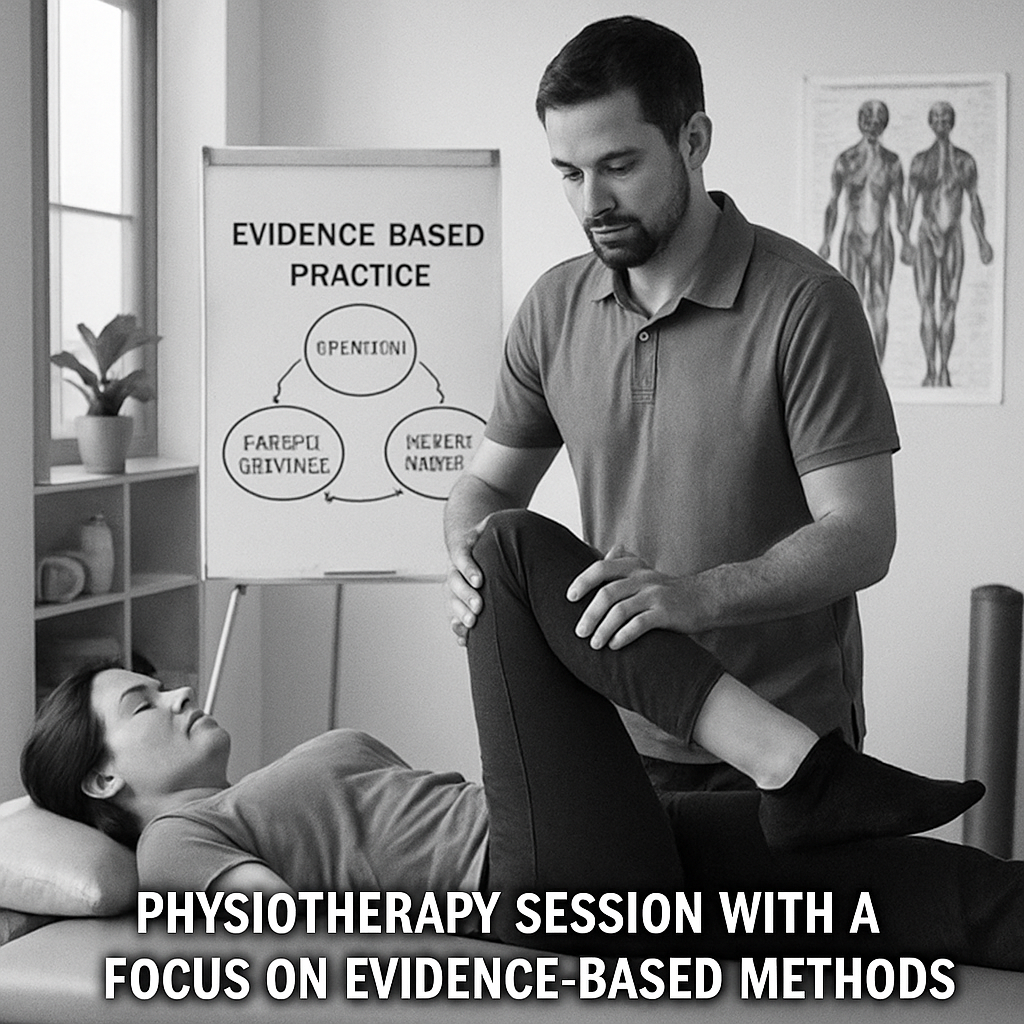
What sets physiotherapy apart is its reliance on evidence-based treatment. This means that the methods used are grounded in scientific research and have been proven effective through clinical trials. This approach ensures that patients receive the most up-to-date and effective care possible.
Integrating Clinical Expertise and Research
Evidence-based physiotherapy involves the integration of clinical expertise, patient preferences, and the best available research evidence. This triad ensures a holistic approach to patient care, leading to better outcomes and satisfaction. Physiotherapists are trained to critically evaluate research findings and apply them in their clinical practice.
By staying informed about the latest developments in medical research, physiotherapists can offer treatments that are both innovative and effective. They use evidence-based guidelines to inform their decision-making, ensuring that patients receive the highest standard of care. This commitment to evidence-based practice enhances the credibility and effectiveness of physiotherapy.
The Role of Clinical Trials in Physiotherapy
Clinical trials play a crucial role in advancing the field of physiotherapy. These studies provide valuable data on the effectiveness of various treatment modalities, helping to refine and improve therapeutic approaches. Physiotherapists rely on the results of clinical trials to guide their practice and ensure that their methods are supported by scientific evidence.
Participation in clinical trials also allows physiotherapists to contribute to the advancement of their profession. By engaging in research, they can explore new treatment options, evaluate their effectiveness, and share their findings with the broader medical community. This collaborative effort drives innovation and improves patient care.
Personalized Evidence-Based Care
One of the key strengths of evidence-based physiotherapy is its ability to provide personalized care. By integrating research evidence with clinical expertise and patient preferences, physiotherapists can develop individualized treatment plans that address the unique needs of each patient. This personalized approach enhances the effectiveness of treatment and improves patient satisfaction.
Patients are actively involved in the decision-making process, allowing them to express their preferences and goals. Physiotherapists use this information, along with the best available evidence, to create treatment plans that are tailored to each individual. This collaborative approach fosters a strong therapeutic relationship and promotes positive outcomes.
The Role of Physiotherapy in Recovery and Rehabilitation
Physiotherapy plays a crucial role in recovery and rehabilitation for individuals who have experienced injury, surgery, or illness. It helps to restore movement and function, reduce pain, and prevent further injury. Whether recovering from a sports injury, a surgical procedure, or managing a chronic condition, physiotherapy offers targeted interventions that accelerate recovery and improve quality of life.
Comprehensive Assessments for Individualized Care
A key advantage of physiotherapy is the development of individualized care plans. Physiotherapists conduct thorough assessments to understand each patient’s unique condition and goals. This personalized approach ensures that treatment is tailored to the individual’s specific needs, leading to more effective outcomes.
The assessment process involves a detailed evaluation of the patient’s medical history, physical examination, and diagnostic tests. Physiotherapists use this information to identify the underlying causes of the condition and develop a comprehensive treatment plan. This meticulous approach ensures that every aspect of the patient’s health is considered, resulting in a more successful recovery.
Restoring Movement and Function
For patients struggling with mobility issues, physiotherapy provides essential support to enhance movement and function. Techniques such as gait training, balance exercises, and strength-building activities are employed to improve mobility and independence. Physiotherapists work closely with patients to develop exercises that address their specific needs and goals.
Restoring function is a central focus of rehabilitation. Physiotherapists help patients regain their ability to perform daily activities, improving their quality of life. By addressing the root causes of mobility issues, physiotherapy enables patients to achieve greater independence and confidence in their physical abilities.
Pain Management and Relief
Physiotherapy offers various methods for managing pain, from manual therapy and exercise to modalities like ultrasound and TENS (Transcutaneous Electrical Nerve Stimulation). By addressing the root causes of pain, physiotherapy aims to provide long-term relief rather than just temporary symptom management.
Pain management is an integral part of the rehabilitation process. Physiotherapists use a combination of techniques to alleviate pain and promote healing. By identifying the source of pain and developing a targeted treatment plan, physiotherapy offers effective solutions for managing both acute and chronic pain conditions.
Supporting Surgical Recovery
Physiotherapy plays a vital role in supporting surgical recovery. After surgery, physiotherapists work with patients to reduce pain, swelling, and stiffness, while promoting healing and restoring function. They develop tailored rehabilitation programs that focus on regaining strength, mobility, and flexibility.
Post-surgical rehabilitation is essential for a successful recovery. Physiotherapists provide guidance on safe movement, activity modification, and self-care techniques. By working closely with patients, physiotherapists help them achieve their recovery goals and return to their normal activities as quickly as possible.
Managing Chronic Conditions
For individuals managing chronic conditions, physiotherapy offers targeted interventions that improve quality of life. Chronic conditions such as arthritis, fibromyalgia, and chronic pain syndromes require ongoing management and support. Physiotherapists develop long-term treatment plans that address the specific needs of each patient.
By focusing on pain relief, mobility enhancement, and functional improvement, physiotherapy helps patients manage their conditions effectively. Education and self-management strategies empower patients to take an active role in their care, promoting better outcomes and improved quality of life.
Long-Term Wellness and Prevention

by sidath vimukthi (https://unsplash.com/@sidathkc)
Physiotherapy is not only about addressing immediate health concerns; it’s also focused on long-term wellness and prevention. Physiotherapists educate patients on maintaining their health and preventing future injuries through lifestyle changes, exercise, and ergonomic advice.
Promoting Healthy Lifestyle Choices
Physiotherapists advocate for healthy habits that support overall wellness. This includes guidance on nutrition, posture, and stress management. By encouraging a holistic approach to health, physiotherapy helps individuals lead healthier, more active lives.
Lifestyle modifications play a crucial role in long-term health. Physiotherapists provide education and support to help patients make positive changes in their daily lives. This includes adopting a balanced diet, engaging in regular physical activity, and practicing stress-reduction techniques.
Injury Prevention Strategies
One of the primary goals of physiotherapy is to prevent re-injury. By strengthening muscles, improving balance, and enhancing flexibility, physiotherapy reduces the risk of future injuries. Patients are equipped with the knowledge and tools they need to stay safe and healthy in their daily activities.
Injury prevention is a key component of physiotherapy. Physiotherapists assess risk factors and develop individualized prevention strategies to minimize the likelihood of injury. By focusing on proper body mechanics, ergonomics, and conditioning, physiotherapy helps patients avoid common injuries and maintain their physical health.
Ergonomic Advice and Workplace Health
Physiotherapists provide ergonomic advice to promote workplace health and prevent work-related injuries. This includes guidance on proper posture, workstation setup, and safe lifting techniques. By creating a safe and supportive work environment, physiotherapy helps individuals perform their jobs without compromising their health.
Workplace health is an important consideration for many individuals. Physiotherapists offer assessments and recommendations to optimize the work environment and reduce the risk of injury. By addressing ergonomic concerns, physiotherapy supports long-term health and productivity.
Encouraging Active Living
Physiotherapy promotes active living as a means of maintaining health and preventing disease. By encouraging regular physical activity, physiotherapists help individuals improve their cardiovascular fitness, strength, and flexibility. This active approach to health supports overall well-being and reduces the risk of chronic diseases.
An active lifestyle is essential for long-term health. Physiotherapists work with patients to develop exercise programs that are safe, effective, and enjoyable. By fostering a positive attitude towards physical activity, physiotherapy encourages individuals to incorporate movement into their daily routines and enjoy the benefits of an active lifestyle.
Finding the Best Physiotherapy Clinic Near You
If you’re considering physiotherapy, it’s important to find a reputable clinic that offers evidence-based treatment. Here are some tips for finding the best physiotherapy clinic near you:
Researching Credentials and Qualifications
Ensure that the physiotherapists are licensed and have the necessary qualifications and experience. Look for professionals who are registered with recognized regulatory bodies and have completed accredited training programs. This ensures that you receive care from qualified and competent practitioners.
In addition to formal qualifications, consider the experience and specialization of the physiotherapists. Some practitioners may have expertise in specific areas such as sports rehabilitation, pediatric physiotherapy, or geriatric care. Choosing a physiotherapist with relevant experience can enhance the effectiveness of your treatment.
Reading Reviews and Testimonials
Look for clinics with positive reviews from past patients to gauge the quality of care provided. Online reviews and testimonials offer valuable insights into the experiences of others and can help you make an informed decision. Pay attention to feedback regarding the professionalism, communication, and effectiveness of the physiotherapy services.
While reviews can be helpful, it’s important to consider them in context. Individual experiences may vary, and a single negative review should not necessarily dissuade you from choosing a particular clinic. Instead, look for patterns in the feedback to get a sense of the overall reputation and quality of care offered.
Evaluating Services Offered
Make sure the clinic offers a range of treatment methods that align with your needs. Consider the types of services provided, such as manual therapy, exercise rehabilitation, and electrotherapy. A clinic that offers a comprehensive range of treatments can provide a holistic approach to your care.
In addition to treatment options, consider the availability of specialized programs or services. Some clinics may offer specialized rehabilitation programs for specific conditions, such as post-operative care or sports injury rehabilitation. These programs can provide targeted support and enhance your recovery.
Confirming Individualized Care
Confirm that the clinic develops personalized treatment plans based on thorough assessments. Individualized care is essential for effective treatment, and a personalized approach ensures that your unique needs and goals are addressed. Ask about the assessment process and how treatment plans are tailored to meet individual patient needs.
A collaborative approach to care is also important. Look for a clinic that values patient input and encourages open communication. Physiotherapists should work closely with you to develop treatment goals and strategies that align with your preferences and lifestyle. This partnership enhances the therapeutic relationship and promotes positive outcomes.
Conclusion
Physiotherapy is an essential component of healthcare that offers evidence-based treatment for recovery, rehabilitation, and long-term wellness. By employing a variety of techniques and methodologies, physiotherapists help individuals improve their physical function, manage pain, and prevent future injuries.
Whether you’re recovering from an injury, managing a chronic condition, or looking to improve your overall wellness, physiotherapy provides a comprehensive approach to achieving your health goals. Consider finding a qualified physiotherapy clinic near you to explore the benefits of this invaluable treatment.
Remember, physiotherapy is not just a massage; it’s a scientifically supported pathway to better health and well-being. By embracing evidence-based practices and personalized care, physiotherapy empowers individuals to take control of their health and achieve lasting wellness