

Achilles tendon pain is one of the most common causes of heel discomfort among runners, gym-goers, and even working professionals in Bangalore. With the city’s growing fitness culture and long hours of sedentary work followed by sudden physical activity, cases of Achilles tendinopathy are steadily increasing.
If you’re experiencing stiffness, pain while walking, or discomfort during workouts, understanding the right physiotherapy approach can make the difference between long-term recovery and recurring injury.
What is Achilles Tendinopathy?
The Achilles tendon connects your calf muscles to your heel bone and plays a critical role in walking, running, and jumping. When this tendon is overloaded repeatedly, it can develop micro-damage, leading to pain and reduced performance.
Research shows that Achilles tendinopathy affects 6–18% of runners, but it is also increasingly seen in non-athletes due to lifestyle factors.
There are two main types:
- Mid-portion tendinopathy (common in runners)
- Insertional tendinopathy (pain near the heel bone)
Each type requires a different rehab approach, which is why expert physiotherapy is essential.
Why Achilles Pain is Common in Bangalore
Bangalore’s lifestyle contributes significantly to tendon injuries:
- Sudden shift from desk work to intense workouts
- Running on hard surfaces (roads, concrete tracks)
- Poor footwear choices
- Lack of proper warm-up and recovery
Additionally, many people ignore early symptoms, leading to chronic tendon degeneration instead of quick recovery.
Expert Physiotherapy Tips for Achilles Tendon Pain Relief

1. Load Management (Not Complete Rest)
One of the biggest mistakes people make is either overtraining or complete rest.
Instead:
- Reduce high-impact activities like running
- Switch to cycling or swimming temporarily
- Gradually reintroduce load under expert supervision
Controlled loading helps stimulate tendon healing without worsening damage.
2. Isometric Exercises for Pain Relief
Isometric exercises (holding positions without movement) are excellent for reducing pain in the early stages.
Examples:
- Static calf raises
- Wall-supported holds
These exercises help reduce tendon pain while maintaining strength.
3. Eccentric Strength Training (Gold Standard Rehab)
Eccentric loading (muscle lengthening under tension) is one of the most effective treatments.
A commonly used method is the Alfredson Protocol, which involves slow heel drops.
Benefits:
- Improves tendon structure
- Stimulates collagen production
- Reduces long-term pain
However, this must be done correctly—wrong technique can worsen symptoms.
4. Progressive Strength & Conditioning
Modern rehab focuses on progressive loading, not just basic exercises.
Stages include:
- Isometric phase (pain reduction)
- Heavy slow resistance training
- Functional strength training
- Plyometric (jump training for athletes)
Heavier, controlled loads are necessary because simple walking doesn’t provide enough stimulus for tendon recovery.
5. Address Root Causes (Biomechanics Matter)
Achilles pain is rarely just about the tendon.
Underlying issues may include:
- Flat feet or overpronation
- Tight calf muscles
- Weak glutes or hips
- Poor running mechanics
A proper physiotherapy assessment ensures long-term recovery, not just temporary relief.
6. Shockwave Therapy & Advanced Treatments
In Bangalore, advanced physiotherapy clinics offer:
- Shockwave therapy
- Dry needling
- Manual therapy
- Taping techniques
These can accelerate recovery when combined with exercise-based rehab.
7. Gradual Return to Running or Sports
Returning too quickly is the #1 cause of re-injury.
A proper plan includes:
- Pain-free walking → light jogging → running
- Monitoring morning stiffness
- Structured progression
Rehab should be criteria-based, not time-based.
Common Mistakes to Avoid
- Ignoring early pain
- Stretching aggressively in insertional tendinopathy
- Copying random YouTube exercises
- Skipping strength training
- Returning to sports too early
These mistakes often turn a 2–4 week issue into a 6-month problem.
Why Physiotherapy is the Best Treatment (Not Just Medication)
Painkillers may provide temporary relief, but they don’t fix the root cause.
Evidence-based physiotherapy focuses on:
- Tendon healing
- Strength rebuilding
- Movement correction
- Injury prevention
That’s why it is considered the gold standard treatment for Achilles tendinopathy worldwide.
About BSI Physiotherapy (Bangalore)
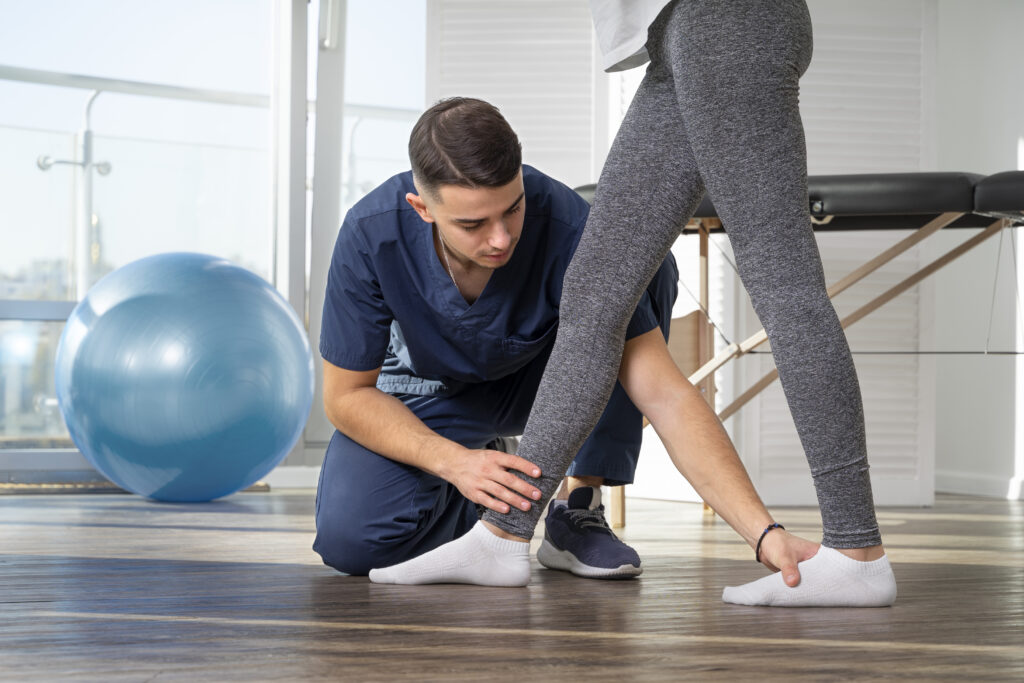
BSI Physiotherapy is one of Bangalore’s leading physiotherapy centers specializing in sports injuries, tendon rehabilitation, and advanced recovery programs.
What sets BSI Physiotherapy apart:
- Expert-led rehab protocols based on latest global research
- Personalized treatment plans (not generic exercise sheets)
- Strong focus on root-cause treatment and long-term prevention
- Experience in handling athletes, runners, and chronic pain cases
Whether you’re dealing with early-stage heel pain or long-standing Achilles tendinopathy, their structured rehab approach ensures safe, effective, and lasting recovery.
When Should You See a Physiotherapist?
Don’t wait too long. Seek help if you have:
- Pain lasting more than 5–7 days
- Morning stiffness in the heel
- Pain during walking or running
- Swelling or tenderness
Early intervention can significantly reduce recovery time and prevent chronic damage.
Struggling with Achilles tendon pain in Bangalore?
Don’t ignore it until it becomes chronic.
Book a consultation with expert physiotherapists at BSI Physiotherapy today and get a personalized rehab plan tailored to your condition.
✔ Faster recovery
✔ Reduced pain
✔ Long-term injury prevention
FAQs
1. What is the fastest way to heal Achilles tendon pain?
A combination of load management, physiotherapy exercises, and progressive strengthening is the fastest and safest way.
2. Can Achilles tendinopathy heal without treatment?
Mild cases may improve, but most require guided rehab to prevent recurrence.
3. How long does recovery take?
Typically 4–12 weeks, depending on severity and consistency of rehab.
4. Is walking good for Achilles tendon pain?
Yes, but only within pain limits. Overloading can worsen symptoms.
5. Which is the best physiotherapy clinic for Achilles tendon pain in Bangalore?
Look for clinics specializing in sports rehab and tendon injuries, like BSI Physiotherapy.