
Neck Pain Treatment in Bangalore: When Physiotherapy Is the Right Choice
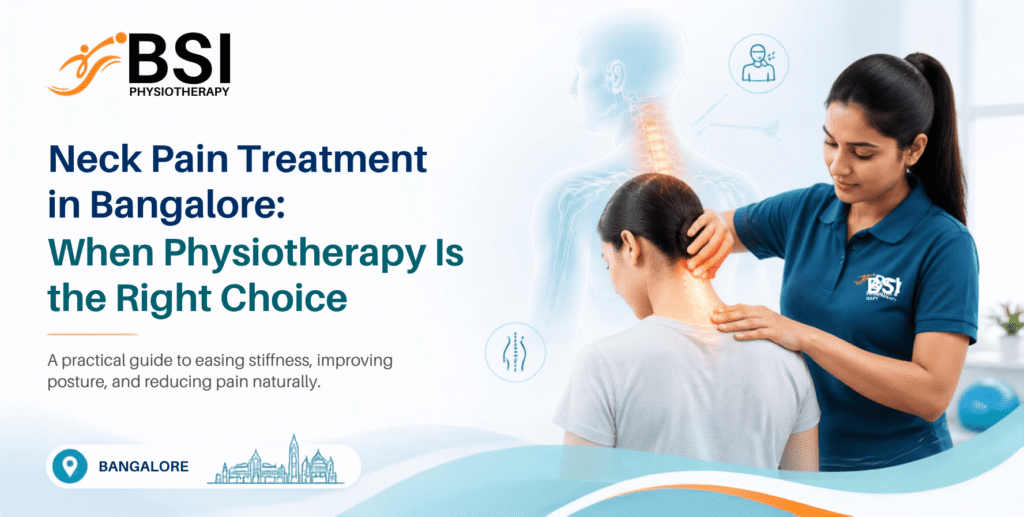
Neck pain has become one of the most common musculoskeletal problems among working professionals, students, homemakers, and senior citizens. Whether it’s spending long hours at a desk, looking down at a mobile phone, driving through Bangalore traffic, or recovering from an injury, neck pain can affect your productivity, sleep, and overall quality of life.
The good news is that most neck pain does not require surgery. In many cases, early physiotherapy intervention can reduce pain, restore mobility, improve posture, and help prevent the condition from becoming chronic.
At BSI Physiotherapy, we believe that successful treatment goes beyond temporary pain relief. Our focus is to identify the root cause of your neck pain and create an evidence-based rehabilitation program that helps you move confidently again.
If you’re searching for neck pain treatment in Bangalore, this guide explains when physiotherapy is the right choice, what treatment involves, and how you can reduce your chances of recurring neck problems.
Understanding Neck Pain
Your neck, also known as the cervical spine, supports the weight of your head while allowing a wide range of movement. It consists of vertebrae, discs, joints, muscles, ligaments, and nerves that work together to provide stability and mobility.
Because the neck is constantly in use, it is vulnerable to strain, stiffness, and injury.
Neck pain may develop suddenly after an injury or gradually over weeks or months due to poor posture, repetitive activities, or age-related changes.
Symptoms may include:
- Persistent neck pain or stiffness
- Difficulty turning your head
- Pain radiating to the shoulders or arms
- Muscle tightness
- Headaches originating from the neck
- Tingling or numbness in the arm or hand
- Reduced range of motion
- Pain after prolonged computer or mobile phone use
Ignoring these symptoms may allow the condition to worsen over time.
Common Causes of Neck Pain
Understanding the cause is essential because treatment varies from person to person.
Poor Posture
One of the leading causes of neck pain today is prolonged poor posture.
Examples include:
- Working on laptops without ergonomic support
- Looking down at smartphones (“tech neck”)
- Slouching while sitting
- Poor workstation setup
Over time, these habits increase stress on the cervical spine and surrounding muscles.
Muscle Strain
Repetitive movements, lifting heavy objects incorrectly, sleeping in awkward positions, or sudden neck movements can strain muscles and ligaments.
Cervical Spondylosis
Age-related wear and tear of the cervical spine can cause stiffness, pain, and reduced movement. While common after the age of 40, symptoms can often be effectively managed with physiotherapy.
Cervical Disc Problems
Bulging or herniated discs may compress nearby nerves, causing pain that radiates into the shoulder, arm, or fingers.
Sports Injuries
Athletes involved in contact sports or repetitive overhead activities may develop neck pain due to muscle strain or joint dysfunction.
Whiplash Injury
Road traffic accidents can cause rapid forward and backward movement of the neck, resulting in soft tissue injuries that benefit from structured rehabilitation.
Stress and Muscle Tension
Emotional stress often leads to increased muscle tension around the neck and shoulders, contributing to chronic discomfort and tension headaches.
When Should You See a Physiotherapist?
Many people wait until the pain becomes severe before seeking treatment. However, early intervention often leads to faster recovery.
You should consider physiotherapy if:
- Neck pain lasts longer than one week
- Pain keeps returning
- Stiffness limits daily activities
- Pain radiates into the shoulder or arm
- You experience headaches related to neck stiffness
- Sitting at work increases discomfort
- You have difficulty looking over your shoulder while driving
- Neck pain interferes with sleep or exercise
Seeking professional care early may reduce the likelihood of long-term pain and disability.
How Physiotherapy Helps Neck Pain
Physiotherapy focuses on restoring normal movement, reducing pain, and improving function without relying solely on medication.
At BSI Physiotherapy, treatment begins with a comprehensive clinical assessment to understand why your neck pain developed.
Your physiotherapist evaluates:
- Pain history
- Neck mobility
- Muscle strength
- Joint movement
- Posture
- Nerve involvement
- Workstation ergonomics
- Daily activity demands
This assessment allows us to create a personalized treatment plan rather than applying the same treatment to every patient.
Evidence-Based Physiotherapy Treatments
Manual Therapy
Hands-on techniques can improve joint mobility, reduce muscle tightness, and relieve pain.
Treatment may include:
- Joint mobilization
- Soft tissue release
- Myofascial techniques
- Trigger point therapy
These techniques are selected based on your clinical findings and current evidence.
Therapeutic Exercise
Exercise is one of the most effective long-term treatments for neck pain.
Your rehabilitation program may include:
- Deep neck flexor strengthening
- Shoulder stabilization exercises
- Upper back strengthening
- Cervical mobility exercises
- Stretching of tight muscles
Exercises are progressed gradually as your condition improves.
Postural Correction
Many neck problems are linked to prolonged sitting and poor posture.
Your physiotherapist will help you:
- Improve sitting posture
- Reduce forward head posture
- Strengthen postural muscles
- Develop healthier movement habits
These changes reduce unnecessary stress on the cervical spine.
Ergonomic Advice
Many patients spend 8–10 hours daily working at computers.
Simple workstation modifications can significantly reduce neck strain, including:
- Correct monitor height
- Proper chair positioning
- Keyboard and mouse placement
- Frequent movement breaks
- Standing and stretching intervals
Pain Management
Depending on your condition, your physiotherapist may recommend appropriate modalities alongside active rehabilitation to help manage pain while focusing on restoring function.
Why Exercise Alone Isn't Always Enough
Many people search online for neck pain exercises and begin treatment without knowing the underlying cause.
While exercise is beneficial, performing the wrong exercises or using poor technique can aggravate certain conditions.
A physiotherapy assessment helps determine:
- Which structures are involved
- Whether nerves are affected
- Which exercises are appropriate
- How quickly to progress rehabilitation
This personalized approach improves outcomes and reduces the risk of recurrence.
Can Physiotherapy Help Avoid Surgery?
In many cases, yes.
Conditions such as:
- Mechanical neck pain
- Muscle strain
- Postural neck pain
- Mild cervical disc problems
- Cervical spondylosis
- Cervicogenic headaches
often respond well to conservative physiotherapy.
However, some patients with severe neurological symptoms or significant spinal instability may require specialist medical or surgical evaluation. Physiotherapists work closely with orthopaedic and spine specialists to ensure appropriate referrals when necessary.
Preventing Future Neck Pain
Recovery doesn’t end when pain disappears.
Preventive strategies are equally important.
Maintain Good Posture
Avoid prolonged forward head posture while working or using mobile devices.
Stay Physically Active
Regular exercise improves muscle endurance and spinal health.
Take Frequent Breaks
Stand, stretch, and move every 30–45 minutes during desk work.
Strengthen Your Neck and Upper Back
Continue your prescribed home exercise program to maintain long-term results.
Sleep Well
Use a supportive pillow and avoid sleeping in positions that excessively twist the neck.
Manage Stress
Relaxation techniques, breathing exercises, and regular physical activity can help reduce muscle tension.
Why Choose BSI Physiotherapy for Neck Pain Treatment in Bangalore?
Choosing the right physiotherapy clinic is an important step in your recovery.
At BSI Physiotherapy, we combine clinical expertise with evidence-based rehabilitation to deliver individualized care.
Our approach includes:
- Comprehensive assessment
- Accurate diagnosis of movement dysfunction
- Personalized treatment plans
- Manual therapy
- Therapeutic exercise
- Postural correction
- Ergonomic education
- Sports rehabilitation
- Long-term prevention strategies
Whether you’re looking for Physiotherapy in Marathahalli, Physiotherapy in Jayanagar, or Physiotherapy in Whitefield, our experienced team is committed to helping you recover safely and return to your daily activities with confidence.
As a trusted Physiotherapy Clinic in Bangalore, we emphasize patient education, measurable progress, and treatments based on current clinical evidence rather than temporary symptom relief.
Final Thoughts
Neck pain is common, but living with it shouldn’t be considered normal.
Whether your discomfort is caused by long working hours, poor posture, sports injuries, age-related changes, or stress, early physiotherapy intervention can make a significant difference. By addressing the root cause instead of simply masking symptoms, physiotherapy helps restore movement, reduce pain, improve strength, and lower the risk of future episodes.
If your neck pain is affecting your work, sleep, exercise, or quality of life, seeking a professional assessment is an important first step. An individualized rehabilitation program can help you return to the activities you enjoy while supporting long-term spinal health.
Frequently Asked Questions (FAQs)
1. What is the best treatment for neck pain?
The best treatment depends on the underlying cause. For most cases related to muscle strain, posture, or joint dysfunction, physiotherapy is considered one of the most effective non-surgical treatment options.
2. When should I see a physiotherapist for neck pain?
If your pain lasts more than a few days, keeps returning, limits movement, radiates to your arm, or interferes with daily activities, you should seek a physiotherapy assessment.
3. Can physiotherapy cure cervical spondylosis?
Physiotherapy cannot reverse age-related changes in the spine, but it can effectively reduce pain, improve mobility, strengthen supporting muscles, and help you manage symptoms over the long term.
4. How many physiotherapy sessions are needed for neck pain?
The number of sessions varies depending on the severity and duration of your condition. Many people begin noticing improvement within a few weeks when they consistently follow their treatment plan and home exercises.
5. Is neck pain caused by using mobile phones?
Prolonged mobile phone use with the head bent forward can contribute to “tech neck,” leading to muscle strain, poor posture, and neck pain over time.
6. Can physiotherapy help a slipped disc in the neck?
Yes. Many patients with cervical disc problems benefit from physiotherapy through pain management, posture correction, strengthening exercises, and movement retraining. Severe cases should be evaluated by a spine specialist.
7. Can neck pain cause headaches?
Yes. Dysfunction in the cervical spine and surrounding muscles can lead to cervicogenic headaches, which often improve with targeted physiotherapy.
8. Which is the best physiotherapy clinic in Bangalore for neck pain?
Look for a clinic that provides comprehensive assessments, evidence-based treatment, experienced physiotherapists, individualized rehabilitation plans, and patient education. BSI Physiotherapy offers specialized care for neck pain across its centres in Marathahalli, Jayanagar, and Whitefield.