
Cervical Osteoarthritis Treatment in Bangalore: Symptoms, Diagnosis, and Why "Rest and Painkillers" May Be the Wrong Advice
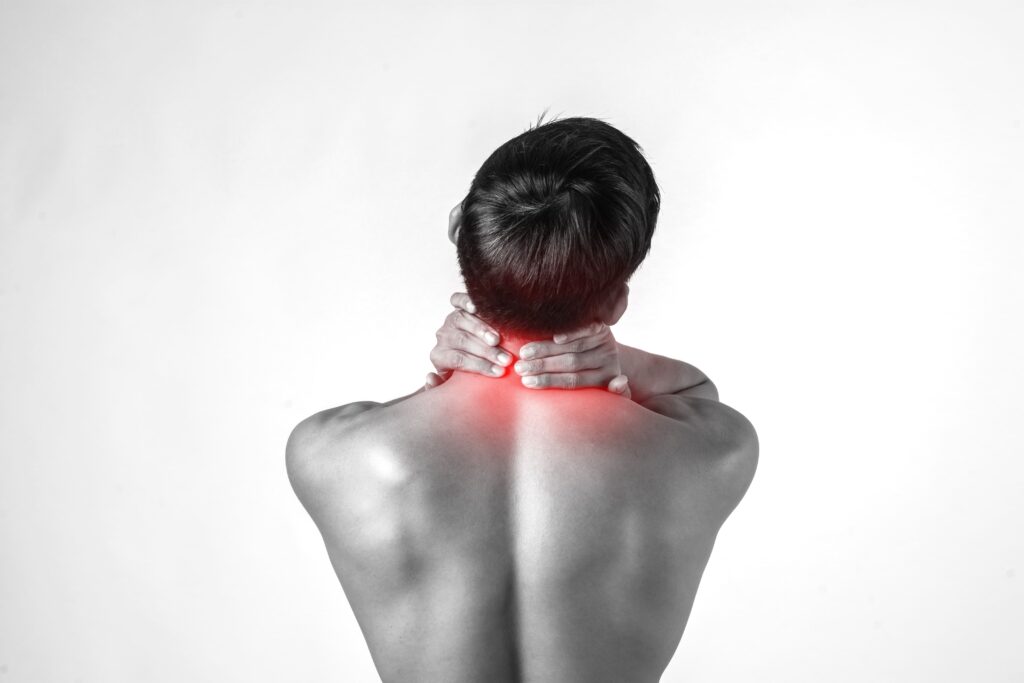
If you’ve typed “physiotherapy clinic near me” into your phone at 2 a.m. because your neck won’t let you sleep, you’re not alone. Cervical osteoarthritis — the gradual wear-and-tear of the joints, discs, and cartilage in the neck — is one of the most common reasons adults over 40 in Bangalore visit a physiotherapist. Yet it’s also one of the most mismanaged conditions in Indian primary care, largely because the default advice — rest, a cervical collar, and painkillers — is often exactly backwards.
This article lays out what cervical osteoarthritis actually is, how it’s diagnosed, what the evidence says about treatment, and why the physiotherapy-first approach used at BSI Physiotherapy in Bangalore tends to outperform the “wait and medicate” model most people are still given.
What Is Cervical Osteoarthritis?

Cervical osteoarthritis (also called cervical spondylosis) is degeneration of the cartilage and bone in the joints of the cervical spine — the seven vertebrae in your neck. As cartilage thins, the body responds by forming bone spurs (osteophytes), the discs lose height and hydration, and the small facet joints between vertebrae become stiff and inflamed. This is a normal part of aging for most people — imaging studies show measurable disc degeneration in the majority of adults over 50, symptomatic or not. The problem isn’t that the neck ages. The problem is what we do (or don’t do) about the pain that comes with it.
Symptoms to Watch For
- Chronic neck stiffness, worse in the morning
- Dull ache that radiates into the shoulders, upper back, or between the shoulder blades
- Sharp, shooting pain or tingling into the arm or hand (a sign of nerve root involvement)
- Headaches originating at the base of the skull (cervicogenic headaches)
- A grinding or clicking sensation when turning the head
- Reduced range of motion — difficulty reversing your car or checking blind spots
- In advanced cases: balance issues, hand clumsiness, or bladder changes, which need urgent medical evaluation (possible cervical myelopathy)
How Cervical Osteoarthritis Is Diagnosed
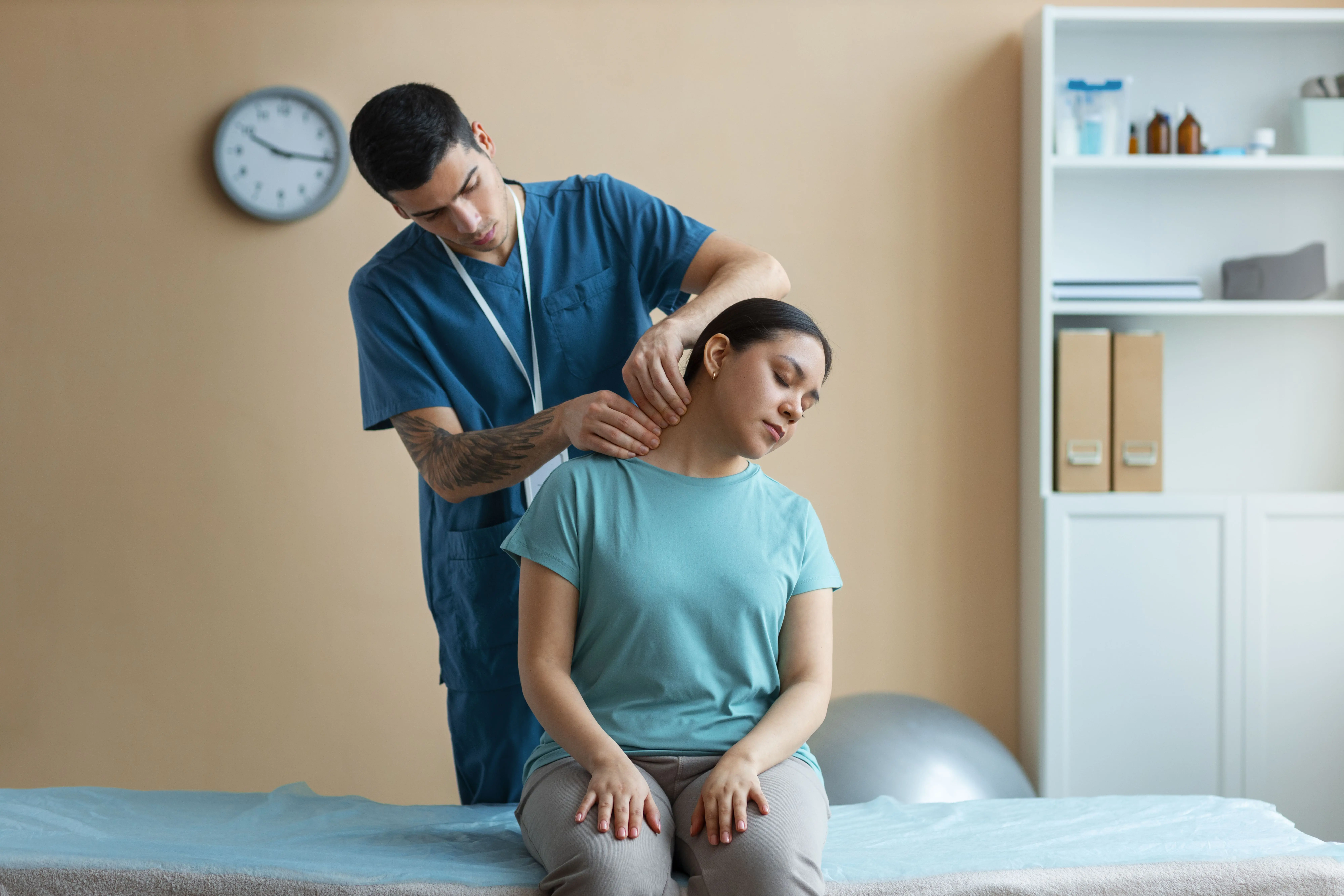
A proper diagnosis combines a clinical examination with imaging correlation — not imaging alone. At BSI Physiotherapy, assessment typically includes:
- Postural and movement analysis — how you hold your head and shoulders, especially relevant given how much of Bangalore’s workforce spends 9+ hours at a laptop or leaning over a two-wheeler handlebar in traffic.
- Neurological screening — reflexes, muscle strength, and sensation to rule out nerve compression.
- Special orthopedic tests — to identify whether pain is coming from a joint, a disc, or a nerve root.
- Imaging (X-ray, MRI) when indicated — usually ordered by an orthopedist or neurologist when red flags are present, not as a default first step.
This last point matters more than most patients realize.
The Provocative Part: Your MRI Report Is Probably Scaring You More Than It Should
Here is the uncomfortable, evidence-backed truth: a large proportion of neck MRIs in adults over 40 will show “degeneration,” “disc bulge,” or “osteophyte formation” — even in people who have zero pain. Imaging findings correlate poorly with symptom severity. Yet in Bangalore’s private healthcare market, it’s common for a patient with mild neck stiffness to walk out of a diagnostic centre with a frightening report and a recommendation for a cervical collar, complete rest, or premature surgical consultation.
The provocative argument this blog wants you to sit with: treating the scan instead of the patient is a bigger driver of chronic neck pain in India than the arthritis itself. Fear of movement (kinesiophobia) caused by an alarming report often does more long-term damage than the degeneration ever would have, because it leads to guarding, disuse, muscle weakness, and — ironically — more pain.
Three Contrasting Viewpoints on Treatment
To be fair to the debate, here are three legitimate schools of thought — because good healthcare journalism shouldn’t pretend this is settled science.
1. The Conservative Medical View: “Rest, Medicate, Monitor” Many general physicians still recommend NSAIDs, muscle relaxants, a soft collar for flare-ups, and activity restriction until pain settles. The rationale: reduce inflammation first, mobilize later. This has merit in acute flare-ups lasting a few days, but extended use of collars and prolonged rest is increasingly discouraged in current musculoskeletal guidelines, as it can accelerate stiffness and muscle deconditioning.
2. The Surgical/Interventionist View: “Fix the Structure” Spine surgeons and interventional pain specialists argue that when imaging shows significant nerve compression with correlating neurological deficits, structural correction (decompression, injections, or fusion) is the definitive fix, and physiotherapy alone can’t reverse bone spurs or a herniated disc. This view is valid for a genuine minority of cases — real red-flag presentations — but is sometimes over-applied to patients who would respond well to conservative care first.
3. The Movement-Based Physiotherapy View: “Load It Right, Don’t Avoid It” The approach followed at BSI Physiotherapy holds that in the vast majority of cervical osteoarthritis cases without red flags, graded exercise, manual therapy, postural retraining, and ergonomic correction outperform rest and medication alone for long-term function — and reduce the odds of ever needing surgery. This is broadly consistent with current international musculoskeletal guidelines, which favor active management over passive rest for chronic neck pain.
Reasonable clinicians disagree on where exactly the line sits between these approaches. That disagreement is healthy — it’s what should be happening in your first consultation, not skipped over.
What Evidence-Based Physiotherapy for Cervical Osteoarthritis Looks Like
A structured program typically includes:
- Manual therapy — joint mobilization to restore movement in stiff facet joints
- Deep neck flexor strengthening — the muscles most people never train, and the ones most responsible for supporting the cervical spine
- Postural correction — critical for Bangalore’s IT and desk-based workforce
- Dry needling or myofascial release for muscle guarding around the neck and upper trapezius
- Ergonomic and workstation advice — laptop height, phone habits, two-wheeler riding posture
- Traction therapy, used selectively for nerve root symptoms
- Home exercise programs, since consistency between sessions determines most of the long-term outcome
At BSI Physiotherapy‘s clinics across Bangalore, including the Marathahalli centre serving the ORR tech corridor, this active-care model is the default first line — with referral to orthopedic or neurosurgical colleagues reserved for genuine red-flag cases.
Frequently Asked Questions
Is cervical osteoarthritis the same as cervical spondylosis?
Largely yes — spondylosis is the broader clinical term used in India for age-related degenerative changes in the cervical spine, of which osteoarthritis of the facet joints is one component.
Can cervical osteoarthritis be completely cured?
The degenerative changes themselves are not reversible, but symptoms — pain, stiffness, nerve irritation — can be very effectively managed, often to the point of a pain-free, fully functional neck.
What is the cost of physiotherapy for neck pain in Bangalore?
Costs vary by clinic and session type, typically ranging from a few hundred to a few thousand rupees per session depending on whether it includes manual therapy, dry needling, or advanced modalities. It’s best to ask for a transparent treatment plan and cost estimate at your first consultation.
How do I find the right physiotherapy clinic near me?
Look for a clinic with qualified, registered physiotherapists, a clear assessment process (not just machine-based treatment), and a plan that includes exercise prescription — not only passive modalities like heat or electrical stimulation.
Is physiotherapy in Marathahalli or other IT hubs in Bangalore in high demand?
Yes — desk-based, screen-heavy work culture in areas like Marathahalli, Whitefield, and the ORR belt has made mechanical neck pain and cervical osteoarthritis increasingly common among working professionals in their 30s and 40s.
Should I wear a cervical collar for neck arthritis?
Only during acute flare-ups and only briefly. Prolonged collar use is generally discouraged, as it can weaken neck muscles further.
Can neck arthritis cause headaches or dizziness?
Yes — cervicogenic headaches and, less commonly, positional dizziness can originate from irritated upper cervical joints and muscles.
When should I see a doctor instead of a physiotherapist first?
If you experience arm weakness, hand clumsiness, balance problems, or bladder/bowel changes alongside neck pain, seek medical evaluation immediately, as these can indicate spinal cord involvement.
An Open Question for You
Given how differently a general physician, a spine surgeon, and a physiotherapist might each approach the exact same neck X-ray — whose advice should carry the most weight for someone with mild-to-moderate cervical osteoarthritis and no red-flag symptoms? Have you experienced conflicting advice from different specialists in Bangalore, and what did you decide to do? Share your experience in the comments below.
This article is for educational purposes and does not replace individual medical assessment. If you’re experiencing neck pain, book a consultation with a qualified physiotherapist at BSI Physiotherapy to get an assessment specific to your condition.