
What Are the Top 3 Causes of Back Pain?
A complete guide for patients in Bangalore and across India — understanding causes, age groups, pain levels, and recovery.
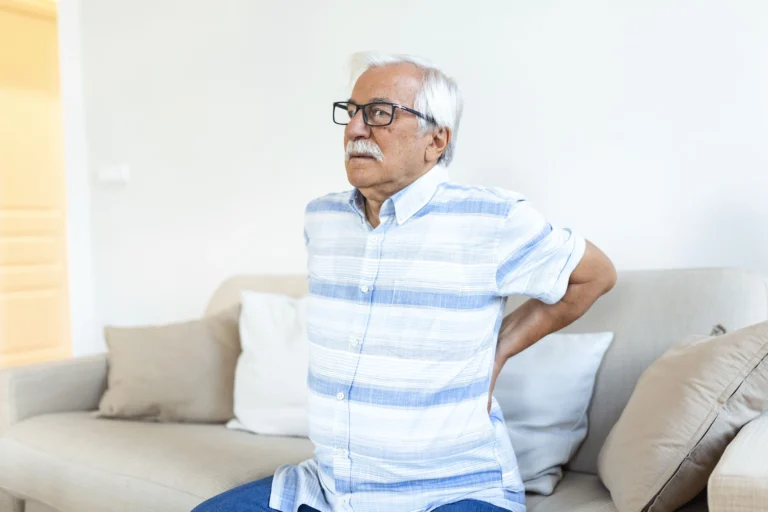
Back pain is one of the most common health complaints in India. According to national surveys, nearly 60–80% of Indians experience back pain at some point in their lives. In a city like Bangalore — where long commutes, desk-bound IT jobs, and sedentary lifestyles are the norm — back pain has become almost epidemic.
Whether you are a 25-year-old software engineer in Whitefield or a 55-year-old homemaker in Jayanagar, back pain does not discriminate. But the good news? Most cases are treatable — and preventable — when you understand the root causes.
At BSI Physiotherapy, we see hundreds of back pain patients every month across our Bangalore clinics. This guide breaks down the top 3 causes, who is most at risk by age, how to read your pain levels, and what realistic recovery looks like.
The Top 3 Causes of Back Pain
1. Muscle and Ligament Strain — The Number One Culprit
Muscle strain is responsible for the majority of acute back pain cases seen in physiotherapy clinics across Bangalore and India. It occurs when the muscles or ligaments supporting the spine are overstretched or torn — often suddenly.
Common triggers include:
- Lifting heavy objects with poor posture (very common in construction and warehouse workers across Peenya and Bommanahalli)
- Sudden awkward movements — twisting, reaching, or bending incorrectly
- Carrying heavy laptop bags or backpacks over one shoulder
- Sleeping on unsupportive mattresses, a widespread issue in Indian households
The pain from a muscle strain is usually sharp, localised to the lower back, and worsens with movement. It typically eases with rest — but rest alone is not always the answer.
BSI Insight: Most patients who visit us after a back strain have been resting for too long. Controlled, guided movement from a physiotherapist speeds recovery significantly faster than complete bed rest.
2. Herniated or Bulging Disc — The Hidden Pressure
Between each vertebra in your spine sits a cushion-like disc that absorbs shock and allows movement. When these discs are damaged — whether from poor posture, repetitive strain, or age-related wear — they can bulge or rupture outward, pressing on nearby nerves.
In India, disc herniation is increasingly seen in younger adults between 25–40 years, primarily due to:
- Hours of sitting with poor lumbar support in offices across Electronic City, Manyata Tech Park, and Marathahalli
- Driving for extended periods on Bangalore’s congested roads
- Sudden heavy lifting without warming up
- Low calcium and Vitamin D levels — a nutritional deficiency epidemic across India
A herniated disc does not always cause pain. But when it presses on the sciatic nerve, it triggers sciatica — a shooting pain that travels from the lower back down through the buttock and leg. This is one of the most debilitating forms of back pain and is among the top reasons patients seek physiotherapy in Bangalore.
Pain from a herniated disc often feels like an electric shock or burning sensation. It can come on suddenly or build up gradually over weeks.
3. Poor Posture and Sedentary Lifestyle — The Modern Epidemic
This is the fastest-growing cause of back pain in urban India — and Bangalore is at the centre of it. The city’s booming IT sector means millions of professionals spend 8 to 12 hours a day hunched over laptops, often in poorly adjusted chairs with screens at the wrong height.
Over time, this creates what physiotherapists call postural dysfunction — where the muscles in your back, core, and hips become either too tight or too weak, placing abnormal stress on the spinal joints and discs.
Key postural triggers seen at BSI Physiotherapy:
- Forward head posture from looking down at phones (also called ‘tech neck’)
- Slouched lumbar spine during long hours at a desk without lumbar support
- Weak core muscles that fail to support the spine during daily activities
- Tight hip flexors from prolonged sitting, which pull the lower back into excess curve
Postural back pain builds slowly and often feels like a deep ache or stiffness, particularly in the morning or after sitting for long periods. It is easy to ignore early on — which is exactly why it becomes chronic for so many patients.
BSI Insight: Postural back pain is 100% preventable and highly treatable with the right physiotherapy programme. If you are based in Bangalore and spend most of your day at a desk, a postural assessment is one of the most valuable things you can do for your long-term health.
Back Pain by Age Group — Who Is Most at Risk?

Back pain does not follow a single pattern. Causes, symptoms, and treatment differ significantly depending on your age and lifestyle.
| Age Group | Most Common Cause | Key Risk Factors in India |
|---|---|---|
| 15–25 years | Poor posture, sports injuries, heavy school bags | Long study hours, mobile phone use, lack of core strength |
| 25–40 years | Disc herniation, postural dysfunction, muscle strain | IT desk jobs, long commutes, sedentary habits, low Vitamin D |
| 40–55 years | Degenerative disc disease, facet joint pain, sciatica | Age-related disc wear, obesity, osteoporosis risk rising |
| 55+ years | Osteoarthritis, spinal stenosis, osteoporosis | Bone density loss, calcium deficiency, reduced mobility |
Understanding Your Back Pain: The Pain Scale
Pain is subjective, but using a standardised scale helps your physiotherapist design the right treatment plan. Here is how to interpret where your back pain sits:
| 1–3 / 10 | Mild | Dull ache, stiffness, manageable. Often postural. | Self-care, posture correction, stretching |
|---|---|---|---|
| 4–6 / 10 | Moderate | Persistent pain affecting daily tasks. May radiate. | Physiotherapy, targeted exercise, pain management |
| 7–8 / 10 | Severe | Significant pain limiting movement, disrupting sleep. | Urgent physiotherapy, imaging, possible medical review |
| 9–10 / 10 | Critical | Unbearable pain, possible neurological symptoms. | Immediate medical attention required |
Recovery Time for Back Pain — What to Realistically Expect

One of the most common questions our physiotherapists in Bangalore hear is: ‘How long will this take to heal?’ The honest answer depends on the type and severity of your back pain.
Acute Back Pain (Sudden onset, under 6 weeks)
Most acute back pain — such as a muscle strain from lifting something heavy — resolves within 2 to 6 weeks with the right physiotherapy treatment. Early intervention is key. Patients who start treatment within the first 48 to 72 hours typically recover 40% faster than those who wait.
Subacute Back Pain (6 weeks to 3 months)
Pain that persists beyond six weeks often signals an underlying issue such as a bulging disc or postural dysfunction. Recovery at this stage takes 6 to 12 weeks of structured physiotherapy, including manual therapy, targeted strengthening, and postural re-education.
Chronic Back Pain (More than 3 months)
Chronic back pain is defined as pain lasting longer than three months. In India, it is unfortunately common — particularly among patients who delay treatment or rely solely on painkillers. Recovery is possible but requires a comprehensive rehabilitation programme that can take 3 to 6 months or longer, depending on the underlying cause.
Important: Taking painkillers without addressing the root cause only masks the problem. Physiotherapy treats the source of pain — not just the symptom.
Factors That Affect Recovery Speed
- Age — younger patients generally recover faster
- Severity of the underlying cause — a mild strain vs. a herniated disc
- Consistency with physiotherapy sessions and home exercises
- Lifestyle factors — weight, physical activity levels, smoking (which reduces disc nutrition in India’s growing smoker population)
- Nutritional status — Vitamin D and calcium deficiency, common across India, significantly slow bone and disc recovery
Frequently Asked Questions
What are the top 3 causes of back pain?
The top three causes of back pain are muscle and ligament strain, herniated or bulging discs, and poor posture combined with a sedentary lifestyle. In Bangalore and across urban India, the third cause is becoming increasingly prevalent due to IT desk jobs, long commutes, and reduced physical activity.
What are the Big 3 exercises for back pain?
The Big 3 exercises, developed by spine biomechanics expert Dr. Stuart McGill, are the exercises most recommended by physiotherapists for relieving and preventing lower back pain:
- The McGill Curl-Up — a modified crunch that activates the deep core without stressing the spine
- The Bird Dog — a quadruped exercise that trains spinal stability and coordination
- The Side Plank — which strengthens the lateral core muscles that support the lower spine
These three exercises form the foundation of most back pain rehabilitation programmes. At BSI Physiotherapy, our team customises these movements to match each patient’s pain level and fitness baseline.
What are the 5 red flags of low back pain?
Not all back pain is straightforward. These five warning signs indicate that you need immediate medical attention — do not wait for a routine appointment:
- Bladder or bowel changes — inability to control urination or defecation alongside back pain suggests cauda equina syndrome, a medical emergency
- Unexplained weight loss — back pain combined with sudden, unintentional weight loss can indicate a serious systemic condition
- Fever — back pain with a fever may point to a spinal infection
- Night pain that does not ease with rest — persistent pain at night unrelated to movement can signal a tumour or inflammatory condition
- Neurological symptoms — numbness, tingling, or weakness spreading down both legs requires urgent investigation
If you experience any of these red flags alongside back pain, please seek immediate medical care. Do not manage these symptoms with home remedies or physiotherapy alone.
What is the recovery time for lower back pain?
Recovery time varies by type. Acute lower back pain (under 6 weeks) typically resolves in 2 to 6 weeks with physiotherapy. Subacute pain (6 weeks to 3 months) usually requires 6 to 12 weeks of structured treatment. Chronic lower back pain (over 3 months) can take 3 to 6 months or more, depending on the root cause and patient compliance with rehabilitation.
Early treatment is always the most effective — the longer back pain is left unaddressed, the more complex and prolonged the recovery becomes.
When to See a Physiotherapist in Bangalore
If your back pain has lasted more than 2 weeks, is getting progressively worse, or is affecting your sleep, work, or daily activities, it is time to get a professional assessment.
At BSI Physiotherapy, we offer thorough back pain assessments that identify the exact cause of your pain and create a personalised treatment plan — so you are not just managing symptoms, but actually resolving the problem.
Book Your Back Pain Assessment
BSI Physiotherapy, Bangalore
Serving patients across Koramangala, Indiranagar, Whitefield, JP Nagar, and beyond.
Call or WhatsApp us today to take the first step toward a pain-free life.