
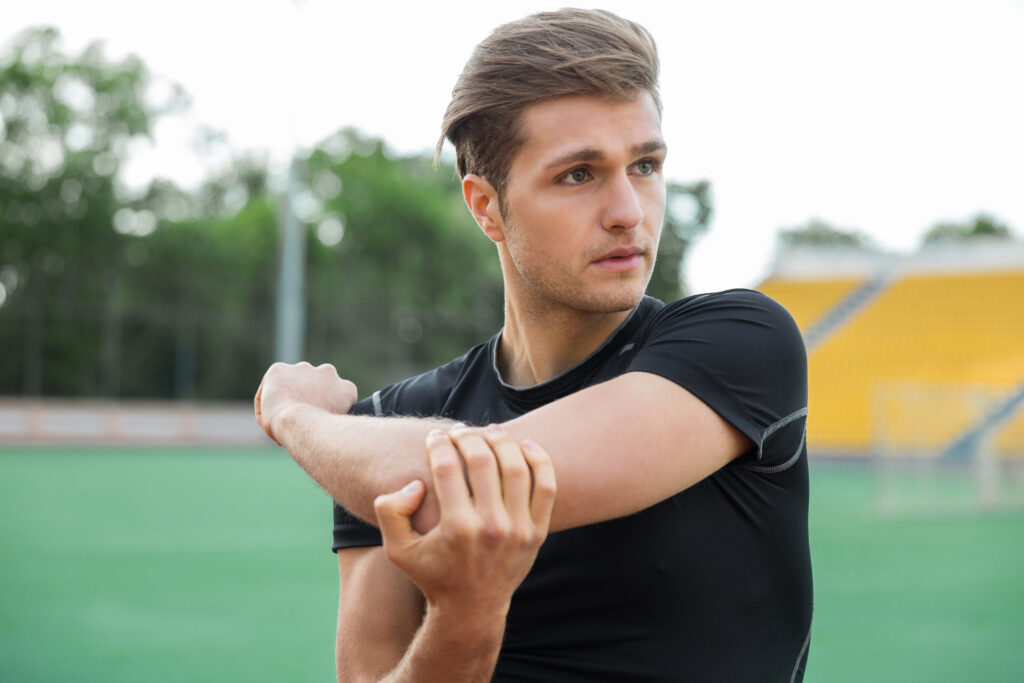
Walk into any café near Outer Ring Road on a Saturday morning and you will spot them — software engineers shaking out their right arms between sips of filter coffee. Product managers wincing as they lift a cup. Designers quietly flexing their wrists under the table.
They have never held a tennis racquet in their lives. Yet a growing number of them are being diagnosed with tennis elbow.
At BSI Physiotherapy in Marathahalli, we are seeing a very clear pattern: the IT professional aged between 26 and 42, working 9-plus hours a day, complaining of a sharp, nagging pain on the outer side of the elbow. The pain gets worse when they grip a coffee mug, twist a doorknob, or try to lift their laptop bag.
If this sounds familiar, you are not alone. And no — you do not need to play tennis to get it.
What Tennis Elbow Actually Is
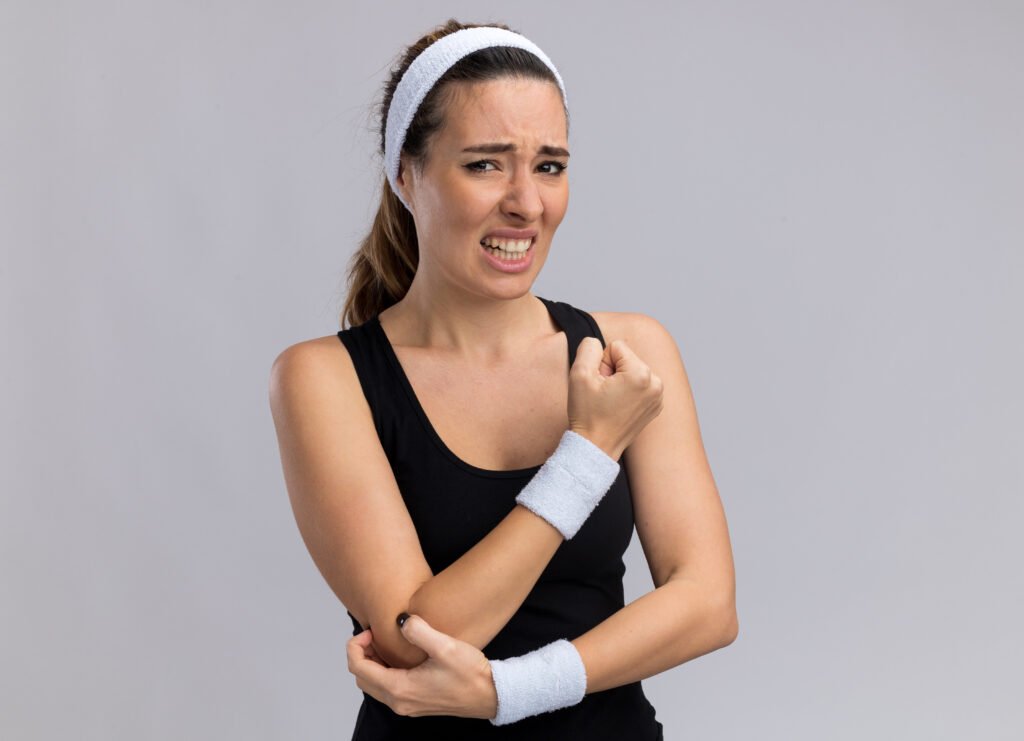
When that tendon is repeatedly stressed without adequate recovery, microscopic tears develop. Over time, these tears do not heal properly. Instead, the tendon undergoes a degenerative change called tendinosis. This is why simple rest often fails to fix tennis elbow.
Dr. Sumit Gupta PT, Co-Founder and Head of Rehabilitation at BSI Physiotherapy, explains: “Most IT patients we see have already tried two months of rest, painkillers, and a brace bought online. By the time they come in, the tendon is no longer just inflamed — it is structurally weakened. That requires a very different treatment approach.”
Why IT Professionals Are Now the New ‘Tennis Players’
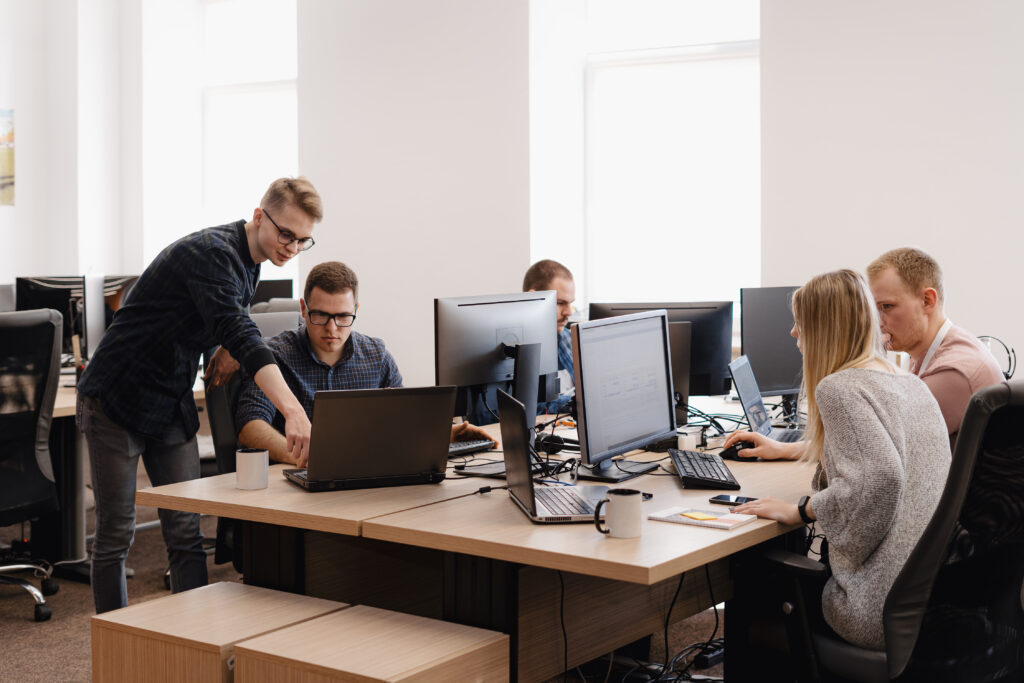
Specific risk factors we see in Bangalore’s IT crowd:
- Mouse-grip dominance — using a mouse for 6 to 8 hours daily, often with a tense grip
- Keyboard at the wrong height — forcing constant wrist extension
- Long video calls — holding a phone or stylus for 30-plus minutes without breaks
- Weekend gym lifting — sudden heavy bicep curls or pull-ups on top of an already overloaded tendon
- Sunday cricket and badminton — adding sport stress to an already-injured tendon
Add Bangalore’s hybrid work culture — where the home setup is often a sofa and a low coffee table and you have the perfect storm.
Warning Signs You Should Not Ignore
Patients searching online for tennis elbow treatment in Bangalore usually wait too long before getting help. Watch for these early signs:
- A dull ache on the outer elbow that is worse in the morning
- Pain when shaking hands, lifting a kettle, or opening a jar
- Weakness in grip — your phone slipping out of your hand
- Tenderness when pressing the bony bump on the outside of your elbow
- Pain that radiates down the forearm towards the wrist
If these symptoms have been around for more than two weeks, the condition is unlikely to resolve on its own.
Why Rest Alone Doesn’t Work
This is the single biggest myth we correct at our clinic. Tennis elbow is not an inflammation problem you can wait out — it is a tendon-degeneration problem that needs structured loading to heal.
This is why painkillers, balms, and elbow straps alone offer only temporary relief.
How We Treat Tennis Elbow at BSI Physiotherapy
As one of the best physiotherapy clinics in Bangalore for upper limb conditions, our protocol is built on evidence-based sports rehabilitation principles. A typical treatment plan includes:
- Detailed assessment — identifying the exact tendon involved, grading the severity, and screening for related neck or shoulder issues that often coexist
- Manual therapy — soft tissue release, joint mobilisation, and trigger point work to reduce pain and stiffness
- Dry needling — to release tight forearm muscles and stimulate local healing
- Shockwave therapy — particularly effective for chronic cases that have failed previous treatment, by stimulating new collagen formation
- Eccentric strengthening — the gold-standard exercise protocol for tendon repair
- Ergonomic correction — workstation analysis, mouse changes, and posture coaching tailored to your work setup
Most patients begin to feel meaningful relief within 3 to 4 weeks. Full recovery for chronic cases typically takes 8 to 12 weeks of consistent rehabilitation. We do not promise overnight fixes — recovery is a process, but it is highly predictable when guided correctly.
Prevention: What You Can Do This Week
Even if you are not yet in pain, these small changes significantly reduce your risk:
- Keep your elbows at 90 degrees and wrists neutral while typing
- Use a vertical mouse if you tend to grip your standard mouse tightly
- Take a 30-second forearm stretch break every hour
- Strengthen your forearms twice a week — wrist curls and reverse curls with light weights are enough
- Do not go from desk to deadlifts without a proper warm-up
When to See a Physiotherapist

If you have had elbow pain for more than two to three weeks, or if it is interfering with daily tasks like driving, lifting your child, or carrying groceries, it is time to get assessed. The earlier you start treatment, the shorter your recovery.
For tech professionals looking for the best physio in Bangalore for desk-related upper limb pain, our team blends sports rehabilitation expertise with a deep understanding of corporate ergonomics. As a recognised destination for sports physiotherapy in Bangalore, BSI works closely with athletes, weekend warriors, and IT professionals alike — using the same evidence-based protocols across the board.
Our clinic offering physiotherapy in Marathahalli is conveniently located within easy reach of Whitefield, Brookefield, Bellandur, and the major Outer Ring Road tech parks — a short drive after work or during your lunch break.
You do not have to live with elbow pain. And you certainly do not have to wait until it sidelines your work, your workouts, or your weekends.
Ready to take the first step toward a pain-free arm?
 BSI Physiotherapy — Alpine Eco Road, opposite Alpine Eco Apartments, Doddanekkundi, Marathahalli, Bengaluru – 560037
  Book your tennis elbow assessment with our specialist team today.