
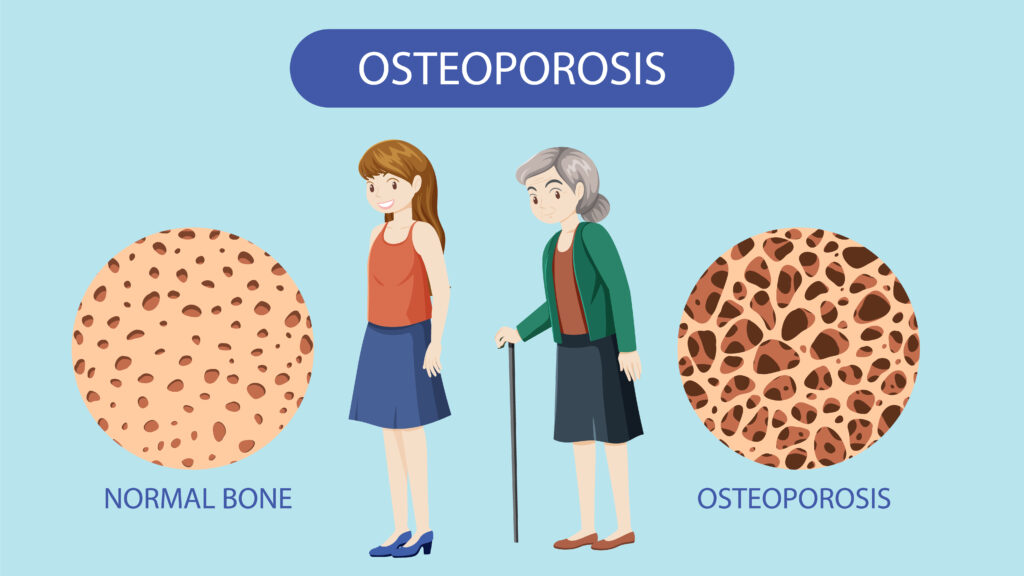
Bone health often goes unnoticed—until pain, weakness, or a fracture forces you to pay attention. If you or a loved one has been diagnosed with osteoporosis, or you’re starting to notice reduced strength and mobility, you’re not alone. Osteoporosis is increasingly common, especially among women over 40 and older adults in urban cities like Bangalore.
The good news? With the right guidance and care, osteoporosis can be managed effectively—and that’s where BSI Physiotherapy in Bangalore plays a vital role.
What is Osteoporosis and Why Should You Care?
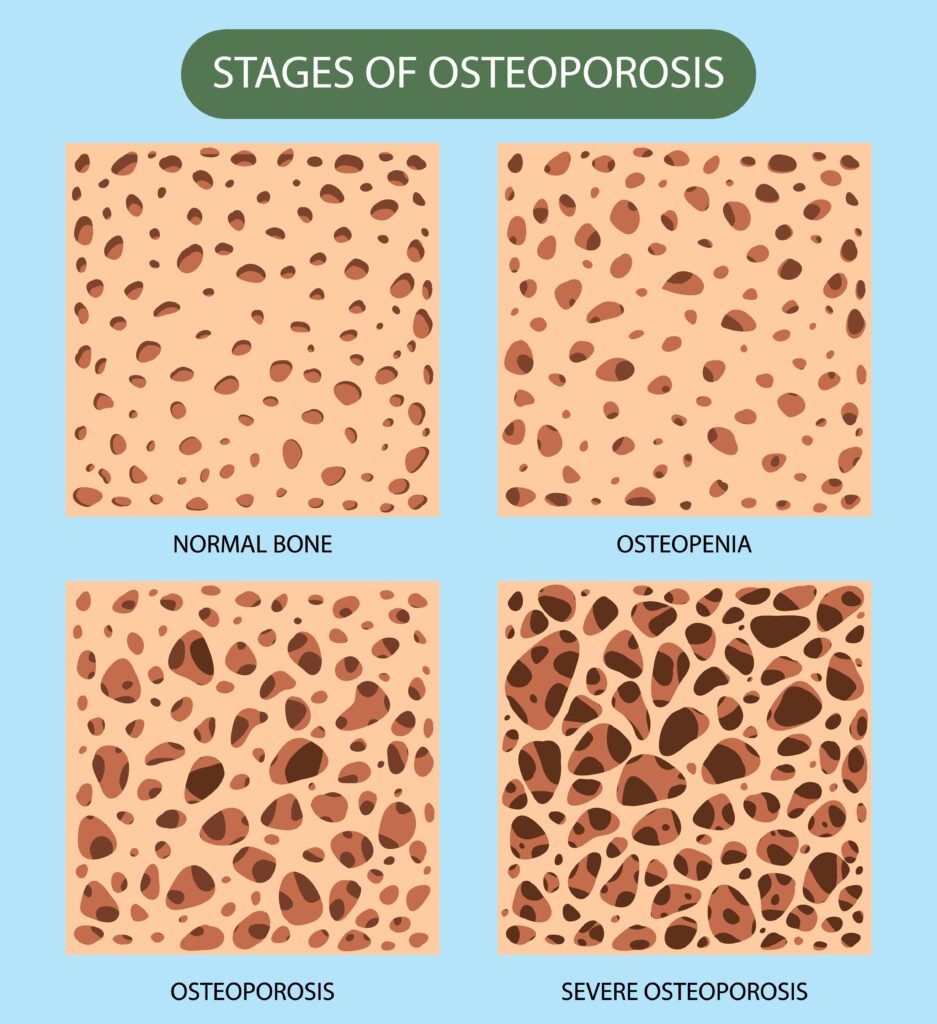
Osteoporosis is a condition where bones become weak, brittle, and more prone to fractures. It often develops silently over years, without obvious symptoms, until a minor fall or even daily activity leads to injury.
Common signs include:
- Back pain or stiffness
- Reduced height over time
- Fragile bones that fracture easily
- Weakness during daily movements
In Bangalore’s fast-paced lifestyle—long working hours, sedentary routines, and limited sunlight exposure—bone health often takes a hit. Calcium and Vitamin D deficiencies are also widely seen, making prevention and early care crucial.
Why Physiotherapy is Essential for Osteoporosis
Many people believe osteoporosis can only be managed with medication. While medication may help, physiotherapy is one of the most effective, non-invasive ways to strengthen bones and improve quality of life.
At its core, physiotherapy focuses on:
- Improving bone strength through targeted exercises
- Enhancing balance to prevent falls
- Building muscle support around weak joints
- Reducing pain and improving mobility
Unlike a one-size-fits-all solution, physiotherapy offers a personalized recovery plan, which is especially important for osteoporosis patients.
How BSI Physiotherapy Helps in Osteoporosis Recovery
At BSI Physiotherapy in Bangalore, the approach is not just about treatment—it’s about long-term bone health and functional independence.
1. Personalized Assessment & Bone Health Evaluation
Every individual is different. At BSI, physiotherapists assess:
- Bone density reports (if available)
- Posture and movement patterns
- Muscle strength and joint stability
- Risk of falls
This helps create a customized plan tailored to your needs.
2. Targeted Exercise Programs for Bone Strength
Exercise is one of the most powerful tools against osteoporosis.
BSI focuses on:
- Weight-bearing exercises (to stimulate bone growth)
- Resistance training (to improve muscle strength)
- Postural correction exercises (to reduce spinal stress)
These are carefully guided to ensure safety, especially for individuals with fragile bones.
3. Pain Management Without Overdependence on Medication
Chronic pain is a common concern in osteoporosis. Instead of relying solely on medication, BSI uses:
- Manual therapy techniques
- Movement-based pain relief strategies
- Muscle activation and strengthening
This approach helps reduce pain while addressing the root cause.
4. Fall Prevention & Balance Training
One of the biggest risks in osteoporosis is fractures due to falls.
BSI integrates:
- Balance training exercises
- Coordination drills
- Functional movement training
This significantly reduces the chances of injury in daily life.
5. Lifestyle & Ergonomic Guidance
Recovery doesn’t end in the clinic.
BSI experts guide patients on:
- Safe ways to sit, stand, and lift
- Workplace ergonomics (especially for WFH professionals)
- Daily activity modifications
This ensures long-term protection of your bones.
Who Should Seek Osteoporosis Physiotherapy?
You should consider physiotherapy if you are:
- A woman above 40 (especially post-menopause)
- An older adult experiencing reduced mobility
- Someone with a sedentary lifestyle
- Recovering from a fracture
- Experiencing chronic back or joint pain
Early intervention can make a significant difference in preventing complications.
Can Osteoporosis Be Reversed?
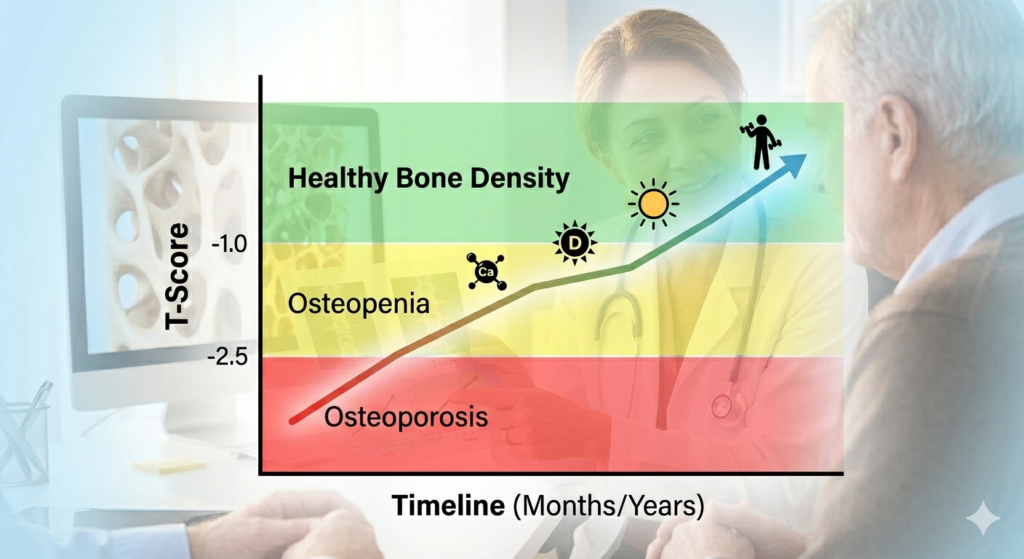
While complete reversal may not always be possible, bone loss can be slowed down, managed, and even improved in many cases with the right approach.
With consistent physiotherapy, proper nutrition, and lifestyle changes, you can:
- Improve bone density
- Reduce pain
- Regain strength and confidence
- Stay active and independent
Simple Tips to Support Bone Health

Along with physiotherapy, here are some everyday habits that can help:
- Get regular sunlight exposure (Vitamin D)
- Include calcium-rich foods (milk, leafy greens, nuts)
- Stay physically active
- Avoid smoking and excessive alcohol
- Maintain a healthy posture
Small changes, when done consistently, can have a big impact.
Why Choose BSI Physiotherapy in Bangalore?

BSI Physiotherapy stands out for its patient-first approach and evidence-based care.
✔ Experienced physiotherapists
✔ Personalized treatment plans
✔ Focus on long-term recovery, not quick fixes
✔ Expertise in musculoskeletal and bone health conditions
✔ Trusted by active individuals, athletes, and elderly patients alike
Whether you’re dealing with early-stage bone loss or advanced osteoporosis, BSI provides structured, safe, and effective care.
Take the First Step Towards Stronger Bones
Ignoring bone health today can lead to bigger problems tomorrow. Osteoporosis doesn’t have to limit your life—with the right support, you can stay active, mobile, and confident.
If you’re in Bangalore and looking for a safe, non-surgical, and effective way to manage osteoporosis, BSI Physiotherapy is here to help you every step of the way.
Frequently Asked Questions (FAQs)
1. Is physiotherapy safe for osteoporosis patients?
Yes, when guided by trained professionals, physiotherapy is safe and highly beneficial.
2. How long does it take to see results?
Most patients notice improvements in strength and mobility within a few weeks of consistent therapy.
3. Do I need a doctor’s referral?
Not always, but having medical reports can help create a more precise treatment plan.
4. Can exercise really improve bone density?
Yes, especially weight-bearing and resistance exercises, when done correctly.