
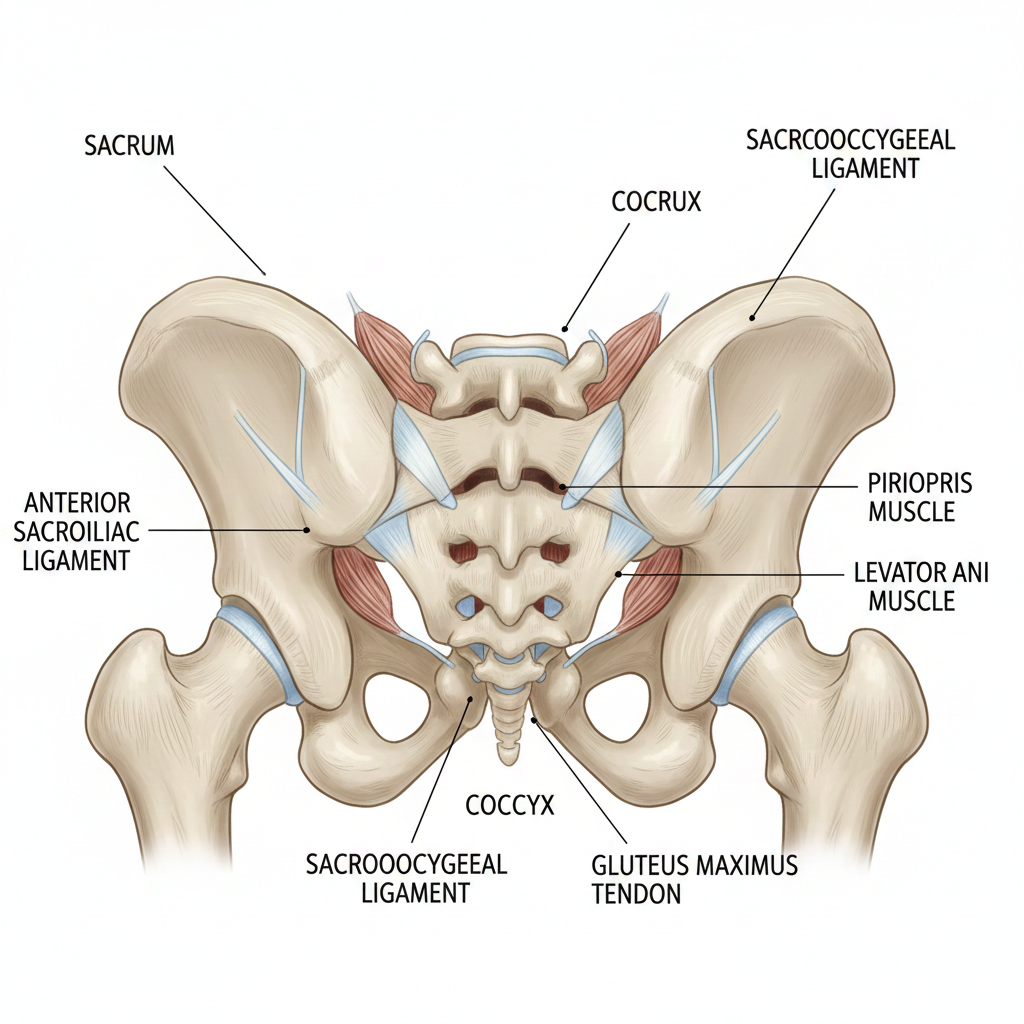
Why does a tiny bone like the tailbone cause such big discomfort?
Tailbone pain can feel sharp, stubborn, and extremely limiting—especially when sitting becomes a daily struggle. Many people silently go through this discomfort, hoping it will magically disappear. But when the pain lingers beyond a few weeks, it begins to affect work, sleep, travel, mood, and even confidence.
The good news? Most cases can be successfully treated with the right care—especially with a skilled Physiotherapist in Bangalore for tailbone pain guiding the recovery process.
What Exactly Is Tailbone Pain?
Tailbone pain—also known as coccydynia—is pain at the bottom of your spine. It can affect your ability to sit, bend, sleep comfortably, or even go about your regular day. Many assume this area is too small to create problems, but the tailbone supports your pelvis, stabilizes your sitting posture, and helps various muscles and ligaments attach securely.
When irritated, even simple movements can become painful, making your search for a physiotherapy clinic for tailbone pain in Bangalore feel more urgent than ever.
Common Causes: Why Does Your Tailbone Hurt?
Understanding the cause helps in choosing the most effective treatment.
1. Prolonged Sitting
Long working hours, driving, and sedentary routines put continuous pressure on the tailbone.
2. Poor Posture
Slouching or leaning backward while sitting shifts your bodyweight directly onto the coccyx.
3. Injury or Trauma
A fall on a hard surface, a sports injury, or a sudden jerk can trigger inflammation in the coccyx.
4. Childbirth
Women commonly experience tailbone pain postpartum due to pressure during delivery.
5. Joint or Muscle Issues
Tight pelvic muscles, weak glutes, or stiffness around the sacrum can all aggravate the coccyx.
6. Degenerative Changes
In rare cases, wear and tear around the coccyx contributes to chronic discomfort.
No matter the reason, timely care from an expert Physiotherapist in Bangalore for tailbone pain can prevent the pain from becoming chronic.
How Do You Know It’s Tailbone Pain? Symptoms You Shouldn’t Ignore

Tailbone pain can show up in different ways:
- Pain while sitting, especially on soft surfaces
- Discomfort when leaning back
- Pain when rising from a sitting position
- Sharp pain during bowel movements
- Local tenderness at the base of the spine
- Pain that worsens during long working hours
If these symptoms sound familiar, it’s time to visit a physiotherapy clinic for tailbone pain in Bangalore before it affects your daily life further.
How Physiotherapy Fixes Tailbone Pain Fast
Physiotherapy is one of the most effective and long-lasting treatment approaches for tailbone pain. Unlike temporary painkillers, physiotherapy treats the root cause—muscle imbalance, joint stiffness, pelvic dysfunction, posture issues, and inflammation.
Here’s how professional care works:
1. Pain Relief Techniques
A skilled Physiotherapist in Bangalore for tailbone pain uses manual therapy, myofascial release, trigger point therapy, and hot-cold therapies to reduce pain naturally, without medication.
2. Correcting Muscle Imbalances
Tailbone pain often arises when pelvic floor muscles, glutes, or surrounding tissues are tight or weak. Tailored strengthening and mobility exercises help restore balance.
3. Posture Correction
Many patients unknowingly sit in problematic positions daily. Physiotherapy helps you correct posture, modify your workspace, and adopt sitting habits that reduce coccyx pressure.
4. Pelvic Floor Rehabilitation
Pelvic floor dysfunction is a hidden cause of tailbone pain. Specialized pelvic physiotherapy releases tight tissues and stabilizes the region.
5. Tailbone Mobilization
Gentle coccyx mobilization allows the tailbone to move correctly again, relieving long-standing discomfort.
6. Lifestyle Modifications
You get guidance on ergonomic seating, cushions, sleep posture, safe exercises, and activity control.When followed consistently, these strategies from a trusted physiotherapy clinic for tailbone pain in Bangalore speed up recovery and prevent recurrence.
Is Your Pain Chronic? Here’s What You Can Do
Chronic tailbone pain can be frustrating, especially when it keeps returning. But the solution is often simple—get your biomechanics evaluated. Tailbone pain rarely heals completely without identifying the underlying pattern causing the strain.
A trained Physiotherapist in Bangalore for tailbone pain will analyze:
- Sitting habits
- Tailbone alignment
- Pelvic rotation
- Muscle tightness
- Movement patterns
- Previous injuries
This detailed assessment helps create a personalized recovery plan that works faster and more effectively than generic exercises.
Physiotherapy Tailbone Care: Why BSI Physiotherapy Stands Out
Tailbone pain requires more than routine exercises—it demands precision-based evaluation, gentle hands-on care, and deep understanding of pelvic biomechanics. This is where BSI Physiotherapy excels. Their team has extensive experience in treating complex spinal and pelvic conditions, including stubborn coccyx pain. Each treatment plan is tailored specifically to the patient, ensuring both immediate relief and long-term correction. Their therapists use advanced manual therapy, pelvic alignment techniques, posture correction strategies, and personalized strengthening routines to restore comfort quickly. Many patients looking for a reliable physiotherapy clinic for tailbone pain in Bangalore choose BSI Physiotherapy for its expertise, thorough assessment, and compassionate approach to healing. With a skilled Physiotherapist in Bangalore for tailbone pain, recovery becomes smoother, faster, and far more comfortable than you expect.
Home Tips to Reduce Tailbone Pain
While professional physiotherapy is essential, you can start easing pain at home:
Use a Coccyx Cushion
It relieves direct pressure on the tailbone.
Avoid Sitting Too Long
Stand up every 30–45 minutes.
Switch to a Firm Chair
Soft surfaces push the tailbone inward.
Apply Heat or Ice
Use heat for muscle tightness and ice for inflammation.
Practice Gentle Mobility
Simple pelvic tilts and stretches help release tension.
But remember—these are temporary aids. For permanent relief, consult a specialized Physiotherapist in Bangalore for tailbone pain.
When Should You Seek Immediate Physiotherapy Help?
Reach out to a physiotherapy clinic for tailbone pain in Bangalore if:
- Your pain lasts longer than two weeks
- Sitting becomes unbearable
- You feel numbness, burning, or tingling
- Pain increases despite home remedies
- Daily tasks start becoming difficult
Ignoring tailbone pain can make recovery slower, so early intervention is always better.
Conclusion: Get Tailbone Pain Treated the Right Way
Living with tailbone pain doesn’t have to be your new normal. With the right guidance from a trained Physiotherapist in Bangalore for tailbone pain and consistent care, you can sit, work, sleep, and move comfortably again. If you’re ready to feel relief that actually lasts, visit BSI Physiotherapy—your trusted physiotherapy clinic for tailbone pain in Bangalore—and take the first step toward pain-free sitting and seamless daily movement. Book your tailbone assessment today and start healing with confidence.