
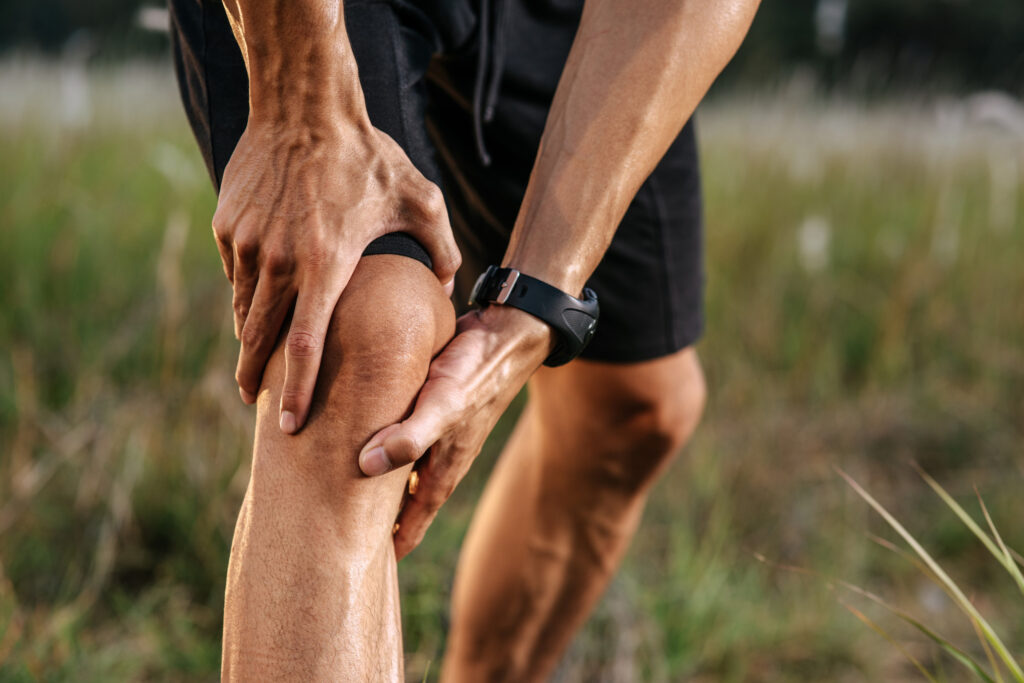
Knee pain is no longer just an “age-related” problem. In a fast-paced city like Bangalore, it’s becoming increasingly common among IT professionals, gym-goers, athletes, and even young adults. Long sitting hours, improper workouts, and lack of mobility are silently affecting knee health.
The good news? You don’t always need scans or expensive tests to get an early idea of your knee health. With a few simple self-checks and the right guidance from a physiotherapist, you can detect problems early and prevent long-term damage.
Let’s walk through 5 simple ways to check your knee health at home—and when it’s time to seek expert physiotherapy for knee pain in Bangalore.
1. Check for Pain During Daily Activities
The first and most obvious sign is pain during routine movements.
Ask yourself:
-
- Do you feel pain while climbing stairs?
-
- Does your knee hurt after sitting for long hours?
-
- Do you feel discomfort while getting up from a chair?
These are early indicators of:
-
- Patellofemoral pain (runner’s knee)
-
- Muscle imbalance
-
- Early cartilage wear
Important: Pain that comes and goes is often ignored—but this is exactly when physiotherapy works best.
2. Test Your Knee Range of Motion
A healthy knee should move smoothly without stiffness or restriction.
Simple Test:
-
- Sit on a chair and slowly extend your leg fully
-
- Bend it back as much as possible
Normal: Smooth, pain-free movement Warning signs:
-
- Tightness
-
- Pain at end range
-
- Inability to fully bend or straighten
Limited mobility may indicate:
-
- Joint stiffness
-
- Early arthritis
-
- Postural or muscular issues
3. Check for Knee Stability
Your knee should feel stable and strong, not wobbly or loose.
Simple Test:
-
- Stand on one leg for 10–15 seconds
 Normal: Stable, balanced Warning signs:
-
- Shaking
-
- Knee collapsing inward
-
- Difficulty maintaining balance
 This may suggest:
-
- Weak quadriceps or glutes
-
- Ligament stress
-
- Poor neuromuscular control
 This is especially common in:
-
- Athletes
-
- People who recently started gym workouts
-
- Individuals recovering from injuries
4. Listen for Sounds (Clicking or Popping)
Do your knees make sounds like clicking, popping, or grinding?
Not all sounds are dangerous, but:
If accompanied by:
-
- Pain
-
- Swelling
-
- Locking sensation
…it could indicate:
-
- Meniscus issues
-
- Cartilage wear
-
- Joint misalignment
If painless, it may simply be:
-
- Gas bubbles in the joint
-
- Minor tendon movement
Still, recurring sounds should not be ignored—especially in active individuals.
5. Look for Swelling or Stiffness
Swelling is your body’s way of saying something isn’t right.
Check:
-
- Compare both knees in a mirror
-
- Feel for warmth or puffiness
Warning signs:
-
- Persistent swelling
-
- Morning stiffness
-
- Tightness after activity
Possible causes:
-
- Inflammation
-
- Ligament injury
-
- Early osteoarthritis
When Should You See a Physiotherapist?

If you notice any of the following, don’t wait:
-
- Knee pain lasting more than 3–5 days
-
- Pain while walking or climbing stairs
-
- Swelling or stiffness
-
- Instability or weakness
-
- Reduced movement
Early physiotherapy can:
-
- Prevent surgery
-
- Reduce pain naturally
-
- Restore strength and mobility
-
- Address root cause (not just symptoms)
Why Physiotherapy Is the Best First Step for Knee Pain
Unlike painkillers that only mask symptoms, physiotherapy focuses on long-term recovery.
A structured knee rehab program includes:
-
- Strengthening exercises
-
- Mobility correction
-
- Posture and movement analysis
-
- Sports-specific rehab (if needed)
This approach is especially effective for:
-
- IT professionals with sedentary lifestyles
-
- Gym injuries
-
- Sports-related knee pain
-
- Early arthritis
Expert Knee Care at BSI Physiotherapy
When it comes to evidence-based physiotherapy for knee pain in Bangalore, BSI Physiotherapy stands out for its patient-first approach.
-
- Each patient undergoes a detailed assessment
-
- Treatment plans are personalized (not generic)
-
- Focus is on root-cause treatment, not temporary relief
-
- Advanced rehab protocols are used for faster recovery
Whether you’re dealing with:
-
- Knee pain from long sitting hours
-
- Sports injuries like ACL strain
-
- Post-surgery rehabilitation
-
- Early osteoarthritis
Their team ensures you get a safe, structured, and result-oriented recovery plan.
Final Thoughts: Don’t Ignore Early Signs
Your knees carry you every day—walking, running, working, living. Ignoring small warning signs today can lead to bigger problems tomorrow.
The key is simple:
-
- Check early
-
- Act early
-
- Recover faster
Ready to Fix Your Knee Pain?
If you’re experiencing knee discomfort, don’t wait for it to worsen.
 Book a professional assessment Get a personalized physiotherapy plan Start your recovery journey today